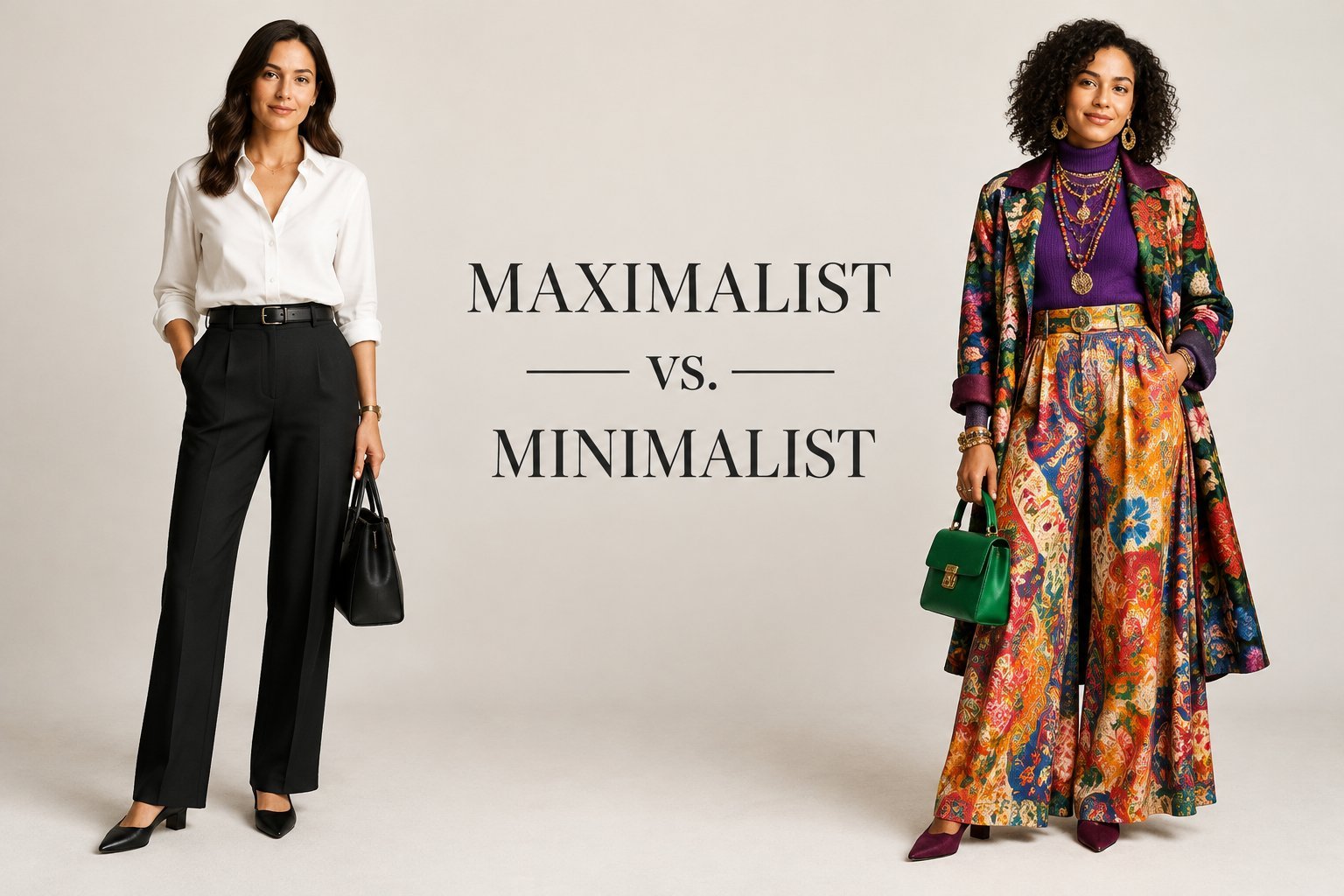

Someone you love hands you a wrapped box. You open it, smile, and say thank you. Inside is a loud-patterned blouse in a size that doesn’t fit, a color you’d never pick, or a fabric that itches.
If you keep a small, intentional closet, this moment can feel tricky. You don’t want to hurt anyone, and you don’t want a piece you’ll never wear taking up space.
Here is the short answer. Thank the giver sincerely, give the item one honest try, and then decide. If it earns a place in your wardrobe, keep it. If it doesn’t, return it, sell it, or donate it without guilt. Then make future gifts easier by telling people what you’d actually enjoy.
The nine tips below walk through each step, with scripts you can borrow and a few realistic scenarios.
Why Unwanted Clothing Gifts Feel So Hard
A gift carries two things at once: the object and the message behind it. The message is usually “I thought of you.” The object might be a sweater that doesn’t suit you.
Minimalism asks you to be honest about the object. Good manners ask you to be warm about the message. These two things don’t actually conflict. Once you separate them, most of the guilt fades.
Gift-giving research suggests this mismatch is common. Researchers in a series of studies found that people receiving gifts appreciated the ones they had asked for more than the ones they hadn’t, while the people giving gifts assumed both kinds would land equally well. In other words, a miss often comes from a blind spot, not from carelessness or lack of love. Keep that in mind and you can treat a miss with kindness, toward the giver and toward yourself.
9 Practical Tips for Unwanted Clothing Gifts
1. Thank the Person, Not the Sweater
Start with gratitude for the thought, the effort, and the time they spent. You don’t need to praise the item itself, and you don’t need to lie.
Try these:
- “Thank you for thinking of me. This was so kind.”
- “I love that you picked something out for me.”
- “It means a lot that you remembered.”
All of these are true even when the piece isn’t your style. Skip lines like “I’ll wear it all the time” unless you really will. A promise you can’t keep becomes its own source of guilt later, especially if the giver asks about it.
2. Give the Gift a Fair Try
Before you decide, try the item on. Wear it around the house for an hour. If it’s a coat, take it outside for ten minutes. Some pieces look wrong on the hanger and surprisingly good on a body.
Set a short trial window of about two weeks. During that time, ask yourself:
- Does it fit my body today, not the body I might have someday?
- Is it comfortable when I sit, bend, and move?
- Does the fabric feel good on my skin?
- Does it suit my climate and my daily life?
After two weeks, you’ll know. If the answer is clearly no, you don’t need to wait longer.
A trial is also kinder to the giver than a quick dismissal, because you can say honestly that you gave it a real chance.
3. Run It Through a Keep-or-Go Check
A gift doesn’t earn a spot in your closet just because someone paid for it. It earns a spot by being useful to you. Here is a quick checklist:
- Fit: Does it fit well now, or could a simple tailoring fix solve it?
- Comfort: Would you reach for it on a regular day?
- Color and style: Does it match the colors and shapes you already like?
- Pairing: Can it go with at least three things you already own?
- Care: Are you willing to wash, iron, or dry-clean it?
- Honest purchase test: If you saw it in a store today, would you buy it?
The pairing question is the most useful one, so let’s put numbers on it.
A Mix-and-Match Example
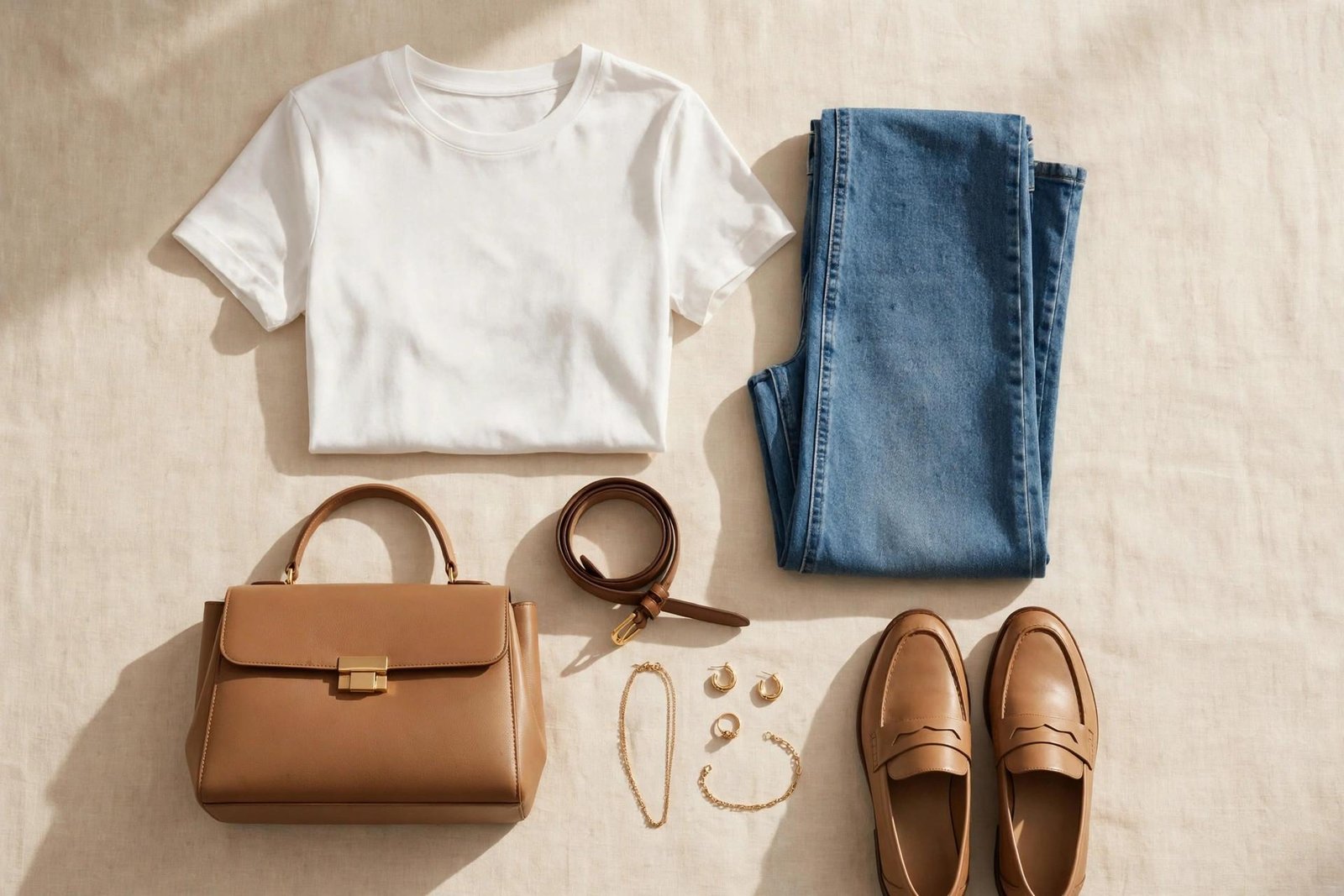
Imagine your wardrobe has six core pieces:
- White tee
- Black tee
- Dark straight-leg jeans
- Black trousers
- White sneakers
- Black ankle boots
Someone gives you a camel cardigan in a mid-weight knit. Does it earn a place? Test it against what you already own.
| Outfit | Pieces | Where it works |
|---|---|---|
| Weekend errands | White tee + jeans + camel cardigan + white sneakers | A cool day around 55°F (13°C), casual and comfortable |
| Office day | Black tee + black trousers + camel cardigan + ankle boots | A workplace with business-casual dress and a chilly air conditioner |
| Dinner out | Black tee + jeans + camel cardigan + ankle boots | A relaxed restaurant in autumn |
| Coffee meeting | White tee + black trousers + camel cardigan + white sneakers | A smart-casual daytime meeting, with clean sneakers |
The math here is simple. Two tops, two bottoms, and two pairs of shoes make 2 × 2 × 2 = 8 possible combinations with the cardigan. Four of those are listed because they make sense for real days. The others might work too, but these show the idea.
There is a limit, though. The cardigan only helps in cool weather. On an 85°F (29°C) afternoon, none of these four outfits would be comfortable, so the cardigan can’t carry your whole wardrobe. That’s fine. It just needs to do its job in the seasons when it’s needed.
Now picture a second gift: a bright neon-printed blouse. It doesn’t pair well with your jeans, trousers, or either pair of shoes. That’s zero outfits from what you own. Under this test, it’s a gentle pass.
A simple rule of thumb many minimalists use: if a piece creates at least three outfits you’d genuinely wear, it’s worth keeping. If it creates fewer than that, it probably isn’t. This is a styling guideline, not a scientific rule, so adjust it to your life.
Here’s a quick way to think about it: choosing to let something go can bring benefits of decluttering for a minimalist wardrobe to your whole closet, not just your gift drawer.
4. Check for a Return or Exchange First
If the gift is unused and in new condition, you may be able to exchange it.
Look for:
- A gift receipt tucked in the box
- A tag with the store name and style number
- The store’s online return policy
Return rules vary a lot between stores, and many have time limits, so check the policy before you assume anything. If you can’t tell where it came from, a quick search of the brand name often helps.
Is it awkward to return a gift? Not as much as people fear. Most givers would rather you have something you’ll wear. If you don’t want to bring it up, you can simply return it and say nothing. Being honest about the process is optional. Being kind in how you speak about the gift is the part that matters.
If you do exchange it, try to choose something that fills a real gap in your closet instead of something that just feels “close enough.”
5. Pass It On: Sell, Donate, Swap, or Regift
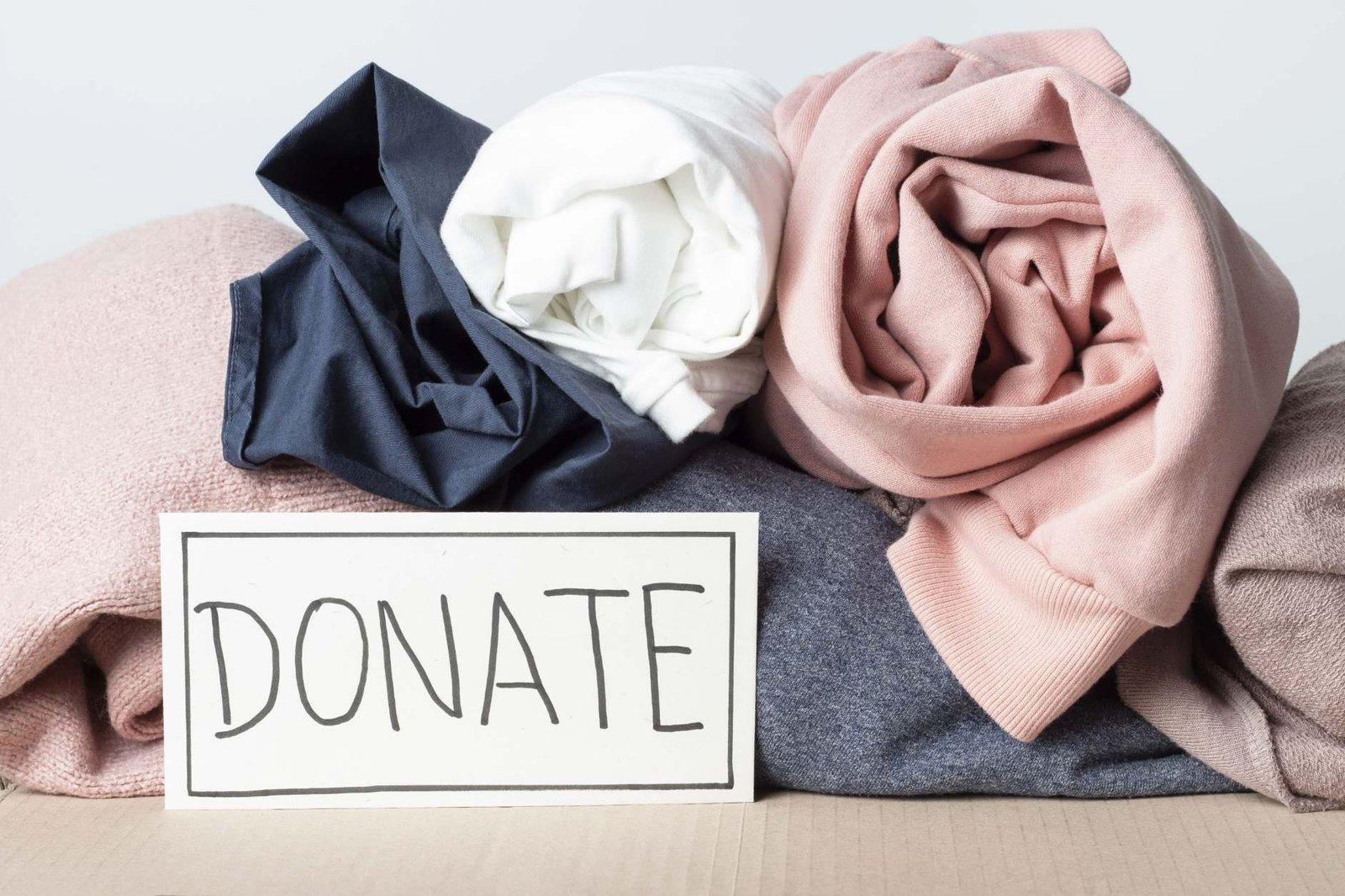
Once you’ve decided a piece isn’t staying, send it somewhere useful. Your best option depends on its condition and value.
Sell it. Newer pieces and recognizable brands can sell for something. Our guide to the best apps to sell clothes for a minimalist wardrobe can help you pick a platform.
Donate it. Clean, wearable items can go to a charity shop or a community drop-off. A few tips make donating more useful:
- Wash and fold items so they’re ready to use.
- Rubber-band shoes together, because a single shoe has no resale value and donation centers often can’t search for the missing mate.
- Skip anything stained, torn, or damaged. Those pieces can be a burden for charities to sort.
Swap it. Clothing swaps with friends, coworkers, or neighbors work well. Your unwanted blouse might be someone’s favorite.
Regift it. This is fine when done thoughtfully. Never give it back to the person who gave it to you, and make sure it suits the new person. Remove any tags or notes from the original giver.
A Quick Note on Donation Receipts
If you donate to a qualified charity and itemize on a US tax return, you may be able to claim a deduction. The IRS says used clothing generally must be in good used condition or better to be deductible, and its value is based on what typical buyers would pay for similar items. Keep your receipt, and talk to a tax professional about your situation. Readers in Canada should check the rules with the Canada Revenue Agency.
Why It Matters Where Clothes End Up
Much of what we discard is clothing. The EPA’s most recent figures estimate 17 million tons of textiles entered the US municipal waste stream in 2018, with about 14.7 percent recycled. Those numbers come from 2018, so they’re a snapshot, not the current picture. The EPA also notes that its estimates don’t include clothing that was donated or resold before being thrown out.
You don’t need to treat one unwanted sweater as a crisis. But passing it along to someone who will use it is almost always better than leaving it in a drawer or tossing it.
6. Handle Sentimental Gifts Differently

Not every gift is about use. Some pieces carry memories: a scarf knitted by a grandparent, a jacket from a late relative, a first gift from a partner.
Minimalism doesn’t mean you must get rid of these. It means you decide on purpose. A few gentle approaches:
- Keep one meaningful piece and let the others go.
- Take a photo of the item, then release it if the object itself doesn’t serve you.
- Store it intentionally in a small box or drawer so it doesn’t mix with your daily clothes.
- Wear it on special occasions, like family visits, so the gift gets used.
- Repurpose it. A sweater might become a cushion cover, or a favorite shirt might become part of a small quilt.
Ask yourself one question: does this item make me feel connected to the person, or does it make me feel guilty? Connection is a good reason to keep something. Guilt isn’t.
7. Politely Decline Clothing Gifts Before They Happen

The easiest unwanted gift to handle is one that never arrives. If you know a gift-giving occasion is coming, a small conversation beforehand can save everyone awkwardness. Here is how to politely decline clothing gifts without making anyone feel criticized.
For close family:
“I’m keeping my closet small this year, so clothes are the one thing I’m not adding. But I’d love [a book / a coffee date / help with a project].”
For a friend who loves shopping for you:
“You always pick such thoughtful things. I’m trying to buy less clothing, so would you mind skipping it this time? I’d love to spend time together instead.”
For a gift exchange at work:
“I’m pretty particular with clothes, so I’d love something like a candle, tea, or a small plant.”
For a gift that’s already on its way:
“Thank you so much for thinking of me. I’m trying to keep my wardrobe pretty fixed right now, so please keep the receipt in case you need to return it.”
A few things make these scripts work:
- Lead with appreciation.
- Keep the reason about you, not about their taste.
- Offer a replacement so they get to give.
- Say it early and kindly, not at the moment of unwrapping.
8. Point Generous People Toward Gifts You’ll Use
Many people give clothing because they don’t know what else to choose. If you make their job easier, they’re often relieved.
This is where the research really helps. The same Stanford-linked studies found that recipients appreciated gifts they had explicitly asked for more than unrequested ones. When recipients named one specific gift instead of a long list, givers also became more willing to buy it. And in one of the studies, recipients said they’d appreciate receiving money even more than a gift they had asked for, though givers assumed the opposite. These studies used participants in laboratory-style settings, so real life may vary, but the lesson is useful: being specific is kind.
Ideas to suggest:
- Experiences: concert tickets, a class, a museum membership, a nice dinner
- Consumables: good coffee, tea, chocolate, a favorite soap
- Practical items: a quality water bottle, a tote bag, a phone stand
- A gift card to a place you already shop
- A charitable donation made in your name to a cause you believe in
- Time together: a hike, a picnic, a day trip
If you do want clothing from certain people, tell them exactly what. “I’m looking for plain white crew-neck tees in medium” is far easier to follow than “I like simple things.”
Setting these ideas up ahead of time also supports minimalist shopping in general. Our guide to minimalist shopping explores how to stay intentional about what comes into your closet, whether you buy it or someone else does.
9. Make Room Before Gift Season
Birthdays and holidays tend to cluster. A little preparation before they arrive keeps things calm.
- Do a mini-declutter a few weeks before a big gift season, so your closet has breathing room.
- Try a one-in, one-out rule. If a new item comes in, an old one goes out.
- Keep a “maybe” box for gifts you’re unsure about. Review it in a month and let go of what you haven’t worn.
- Have a plan for where unwanted items go, such as a donation bag by the door, so the decision is half-made already.
- Remind yourself of the goal. You aren’t rejecting anyone. You’re protecting a wardrobe that works for your life.
Three Realistic Scenarios
These are hypothetical situations, written to show different approaches.
Scenario 1: The Repeat Sweater Giver
Maya’s mother-in-law gives her a sweater every winter. They’re nice, but they’re always bright patterns that don’t match anything Maya owns. Maya has been keeping them out of politeness, and her drawer is full.
What she does: She thanks her mother-in-law warmly at the gift opening. Later, she tells her, “I love that you think of me. I’m keeping my wardrobe pretty small, so next year, would you like to take me out for lunch instead?” She donates the unworn sweaters.
The lesson: Repeat gifting patterns need a gentle conversation, not just a quiet closet. A specific alternative makes the change feel like an invitation, not a rejection.
Scenario 2: The Wrong Size
Daniel’s sister gives him a winter jacket. It’s a good brand and a style he likes, but it’s a size too small. A gift receipt is tucked inside the bag.
What he does: He tries it on, confirms it doesn’t fit, and exchanges it for the same jacket in the right size. He tells his sister, “Thank you again. Great pick, and I’m glad the exchange was easy.”
The lesson: Not every unwanted gift is a bad gift. Sometimes the fix is as simple as an exchange. Check before you assume it has to leave your life.
Scenario 3: The Handmade Scarf
Priya’s grandmother knits her a long, chunky scarf in a bold orange. It isn’t Priya’s style, and she lives in a warm climate. But it’s the last thing her grandmother made before her hands got too tired for knitting.
What she does: Priya keeps the scarf, folds it into a small box on a shelf, and takes a photo of herself wearing it on her grandmother’s birthday visit. She doesn’t force it into her daily wardrobe.
The lesson: Minimalism has room for meaning. A single, intentionally kept item is very different from a drawer full of “I should keep this” guilt.
Common Mistakes to Avoid

- Keeping everything out of guilt. A gift’s job is done once it’s been given with love. It doesn’t need to live in your closet forever.
- Being vague about what you want. “Surprise me” usually leads to surprises.
- Criticizing the gift in front of the giver. Be honest in private if you need to, and gentle everywhere else.
- Donating damaged items. Worn-out clothing makes extra work for charities. If an item is beyond use, look for a textile recycling option in your area.
- Waiting too long. The longer an unwanted piece sits, the harder it gets to release.
- Assuming everyone will understand. Some people may feel a little hurt at first. A calm, warm explanation usually helps over time.
- Using the “maybe” box forever. Give yourself a date to decide.
Frequently Asked Questions
Is it rude to get rid of a gift?
Not usually. Once a gift is given, it belongs to you. The kind thing is to thank the person sincerely and use the gift well, whether that means wearing it or passing it to someone who will. Many givers care more about the gesture than the item’s long-term fate.
What if the person asks why I’m not wearing their gift?
You can answer honestly without criticizing: “It didn’t quite work with the rest of my wardrobe, but I really appreciated the thought. I passed it to a friend who loves it.” If it feels right, add: “I’d love to tell you what I’d enjoy next time.”
Can I regift clothing?
Yes, if the item is new or in excellent shape and suits the new person. Remove tags or notes from the original giver, and avoid giving it to someone in the same social circle where the first giver might notice.
How do I politely say no to clothing gifts from relatives?
Choose a private, calm moment well before the gift occasion. Lead with appreciation, explain that you’re keeping your wardrobe small, and suggest something else they could give you. Be ready to repeat it kindly more than once, since habits can take time to change.
What should I do with gifts I can’t return or sell?
Donate it if it’s in good condition, swap it with a friend, or pass it to someone it suits better. If the fabric is damaged or worn out, check whether your area has a textile recycling program instead of throwing it in the trash.
Conclusion
If a gift doesn’t fit your life, let it go with thanks. Pass it on to someone who will use it. If it does fit, wear it often and enjoy it. That is the whole job.
You don’t need to keep everything to be grateful, and you don’t need to feel guilty for choosing a closet that works. The next time someone hands you a wrapped box, you will know exactly what to do. Thank the person, try the gift, decide honestly, and then make the next gift easier.
What’s the one gift you’d love to receive this year that has nothing to do with clothes?