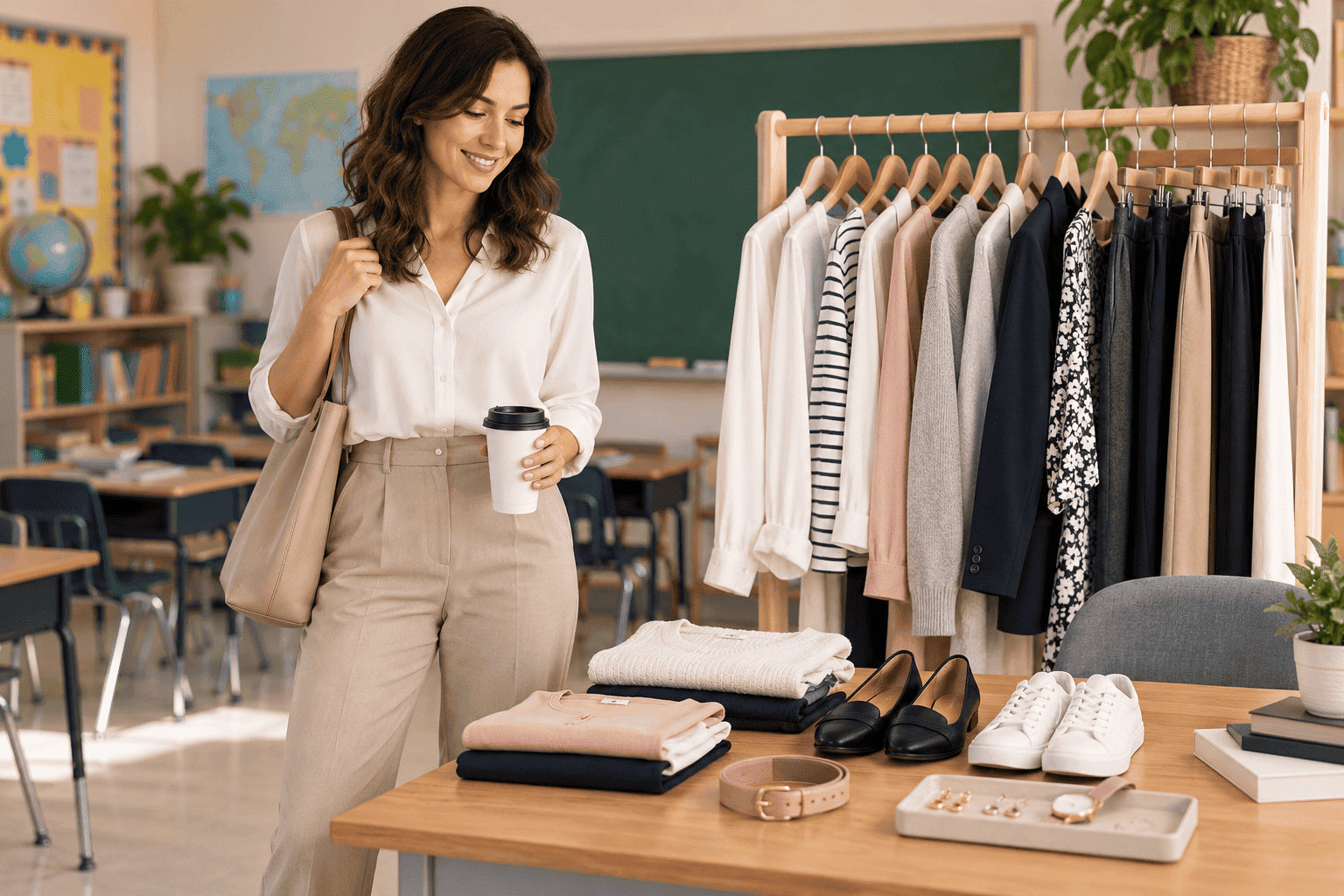
1. Introduction: Why Every Teacher Needs a Capsule Wardrobe
What is a Teacher Capsule Wardrobe?
A teacher’s capsule wardrobe is a small collection of clothes that mix and match easily to create many outfits. It helps teachers stay neat, comfortable, and ready for school every day without wasting time deciding what outfit to wear.
In simple words, it means fewer clothes but smarter choices.
Why Teachers Actually Need It
Teaching is a busy job. You are constantly moving, writing, explaining, and sometimes even running after students who suddenly remember they forgot their homework, and sometimes explaining things again and again. So your outfit should support your day, not slow you down.
A well-planned teacher capsule wardrobe helps you:
- Save time every morning
- Reduce decision fatigue (yes, it’s real and very annoying)
- Stay comfortable during long school hours
- Look professional without extra effort
A school teacher once shared that she used to spend almost 20 minutes daily just deciding on outfits. After switching to a capsule wardrobe, she reduced it to under 5 minutes. That extra time? She now uses it for breakfast in peace instead of panic dressing.
Teacher Wardrobe Ideas That Actually Work
When building smart Teacher Wardrobe Ideas, focus on:
- Neutral tops that match everything
- Comfortable trousers or skirts
- Light layering pieces like cardigans
- Simple shoes you can wear all day
You don’t need a huge wardrobe. You need a practical one.
Why This Matters for Daily Life
A capsule wardrobe doesn’t just improve your style. It reduces stress. When your clothes are organized and easy to mix, your morning feels calmer and more controlled.
And let’s be honest — anything that makes school mornings less chaotic is a win-win situation.
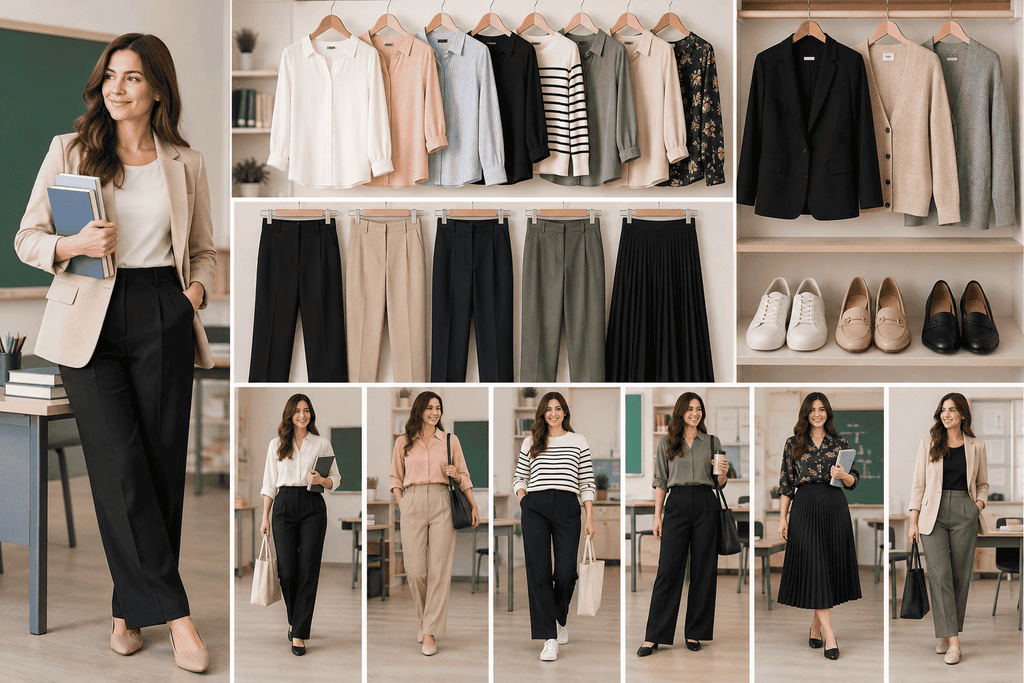
2. What Makes a Perfect Teacher Capsule Wardrobe?
A perfect Teacher Capsule Wardrobe is not about owning fewer clothes just for the sake of it. It is about building a smart system where every piece works with multiple outfits, feels comfortable during long school hours, and still looks professional in front of students and colleagues.
Think of it like a “smart toolkit” instead of a crowded closet. You don’t need everything — you need the right things at the right time.
Core Idea of a Capsule Wardrobe
A capsule wardrobe usually focuses on:
- Simple, mix-and-match clothing
- Neutral and soft colors
- Comfortable fabrics and footwear
- Timeless pieces instead of fast-changing trends
For teachers, this idea becomes even more useful because the routine is repetitive but demanding.
What Teachers Actually Need Every Day
A strong Teacher Wardrobe Ideas system focuses on real classroom life, not runway fashion. It should not be like a celebrity; instead, it should be something that comforts you. Your outfit should survive:
- Long-standing hours
- Frequent movement
- Different classroom temperatures
- Unexpected school activities
That’s why most teachers prefer breathable fabrics and simple silhouettes instead of complicated outfits.
You can also explore how a structured approach works in a real wardrobe system in this guide on a minimalist wardrobe for working women, which explains how simplicity improves daily dressing decisions.
How Many Clothes Do You Really Need?
There is no strict number, but a practical teacher’s capsule wardrobe often includes:
- 6–8 tops
- 3–5 bottoms
- 2–3 layering pieces
- 2–3 pairs of comfortable shoes
The goal is not limitation — it is control and your comfort. When everything matches, you get more outfit options with fewer items, and more comfort.
Why This System Works So Well for Teachers
A capsule wardrobe works because it removes unnecessary choices. For teachers, that means more energy for teaching — not outfit stress.
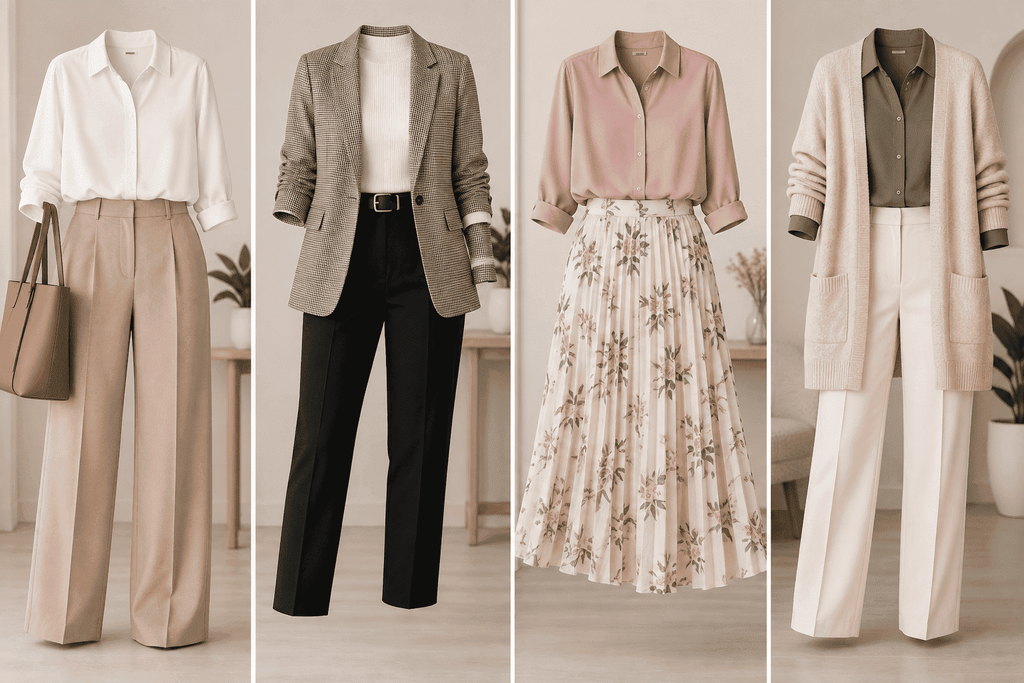
3. Must-Have Teacher Wardrobe Essentials
A strong Wardrobe Essentials collection is the heart of a functional capsule wardrobe. These are the pieces you wear again and again without feeling bored or uncomfortable. The goal is simple: you should be able to wake up, pick anything, and still look put-together for school.
Teachers don’t need a huge wardrobe. They need a smart one that survives long days, classroom movement, and different seasons.
1. Comfortable and Modest Tops
Start with 6–8 tops in neutral or soft shades like white, beige, navy, or pastel tones.
Good options include:
- Cotton shirts
- Soft blouses
- Breathable tunics
Comfort matters because teachers often move between classrooms, stand for long hours, and sometimes even assist students physically. Fabrics like cotton and linen are widely recommended in fashion basics because they allow airflow and reduce discomfort during long wear
2. Versatile Bottoms (Pants & Skirts)
A practical wardrobe includes:
- Straight-fit trousers
- Stretchable pants
- Midi skirts (easy movement, modest look)
Neutral colors work best because they match everything. You can easily rotate 3–5 bottoms without feeling repetitive.
3. Layering Pieces for Classroom Comfort
Schools can be unpredictable — one room feels like an oven, another feels like winter.
So layering is essential:
- Lightweight cardigans
- Blazers (simple cuts, not heavy)
- Open-front sweaters
4. Comfortable Shoes (Non-Negotiable)
Let’s be honest — teachers walk a lot more than people think. Because they have to move from one classroom to another for different lectures, sometimes they have to assist students physically.
Best choices:
- Low-heel loafers
- Cushioned flats
- Supportive sneakers (clean, minimal design)
Comfort-first footwear is often recommended by experts because standing for long hours without support can affect posture and cause fatigue.
5. Simple Accessories
Keep it minimal:
- A functional watch
- Small earrings
- A structured tote bag
Accessories should support your outfit, not complicate it.
Diana, one of my friends who was a teacher once, shared that she used to rotate through trendy outfits every week, but her shoes always caused pain by midday. After switching to simple loafers and breathable fabrics, she said her “focus shifted back to teaching, not surviving the day.”
That’s the real power of the right essentials.
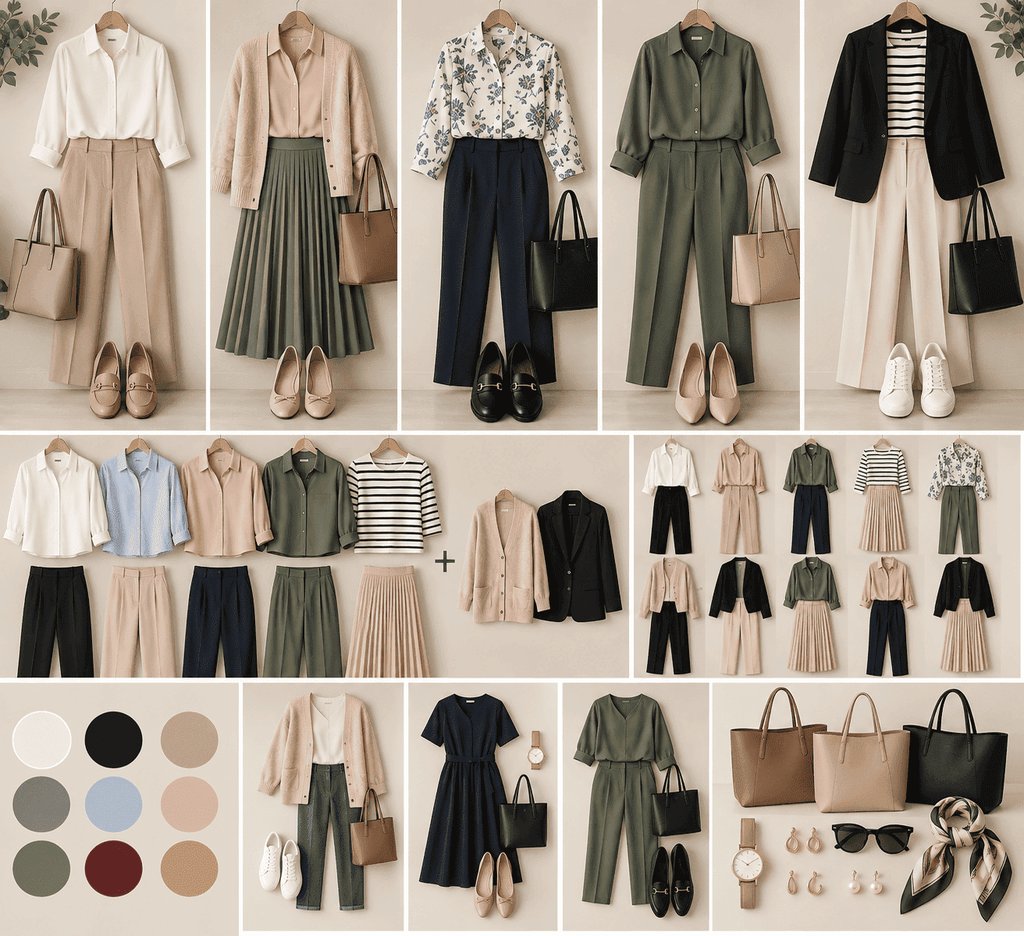
4. Smart Teacher Wardrobe Ideas for Everyday School Life
When people search for Teacher Wardrobe Ideas, they usually don’t want fashion runway concepts or TikTok fashion. They want real outfits they can wear on Monday morning without thinking too hard. A teacher’s wardrobe should work like a “formula,” not a puzzle.
1. Easy Weekly Outfit Planning (Monday to Friday Ideas)
You don’t need to decide your outfits daily in the morning, when you are in a rush; just plan your outfit structure.
- Monday: Neutral blouse + straight trousers + flats
- Tuesday: Soft top + midi skirt + cardigan
- Wednesday: Printed but simple shirt + pants
- Thursday: Monochrome outfit (same color family)
- Friday: Relaxed smart-casual look (blazer optional)
This method reduces stress and saves mental energy.
2. Mix-and-Match Outfit Formula (The Smart Trick)
Instead of buying more clothes, focus on combinations.
Example:
- 5 tops × 3 bottoms = 15 outfit options
- Add 2 layering pieces = 20+ combinations easily
That’s the real power behind a capsule wardrobe system. You are not limited — you are just organized.
3. Color-Based Teacher Outfit Ideas
Colors make dressing easier:
- Neutral base: white, black, beige, grey
- Soft tones: pastel blue, light pink, olive green
- One accent color for personality (like maroon or mustard)
A well-balanced color palette helps your wardrobe look more connected. You can also explore seasonal combinations in this guide on seasonal minimalist outfit ideas, which shows how colors shift naturally with the weather.
4. Quick “5-Minute Morning” Outfit Ideas
On busy mornings, for a teacher, it feels overwhelming to get ready and decide your outfits
Try these quick formulas:
- Jeans-style trousers + plain top + cardigan
- Midi dress + flats + simple watch
- Monochrome set (same color top and bottom)
These outfits reduce decision fatigue and still look professional.
A teacher once shared that her mornings used to feel like a mini crisis. She had clothes, but no system. After she started pairing outfits the night before, she noticed something interesting — she felt calmer before even entering the classroom.
She said that with my outfits already sorted, I could start the day focused on teaching instead of clothing.
That small shift is exactly what a good wardrobe system should do.
5. Why These Ideas Actually Work
These Teacher Wardrobe Ideas work because they:
- Remove decision stress
- Save morning time
- Keep outfits consistent and professional
- Allow creativity without confusion
It’s not about fashion perfection. It’s about daily ease.
5. How to Build a Teacher Capsule Wardrobe on a Budget
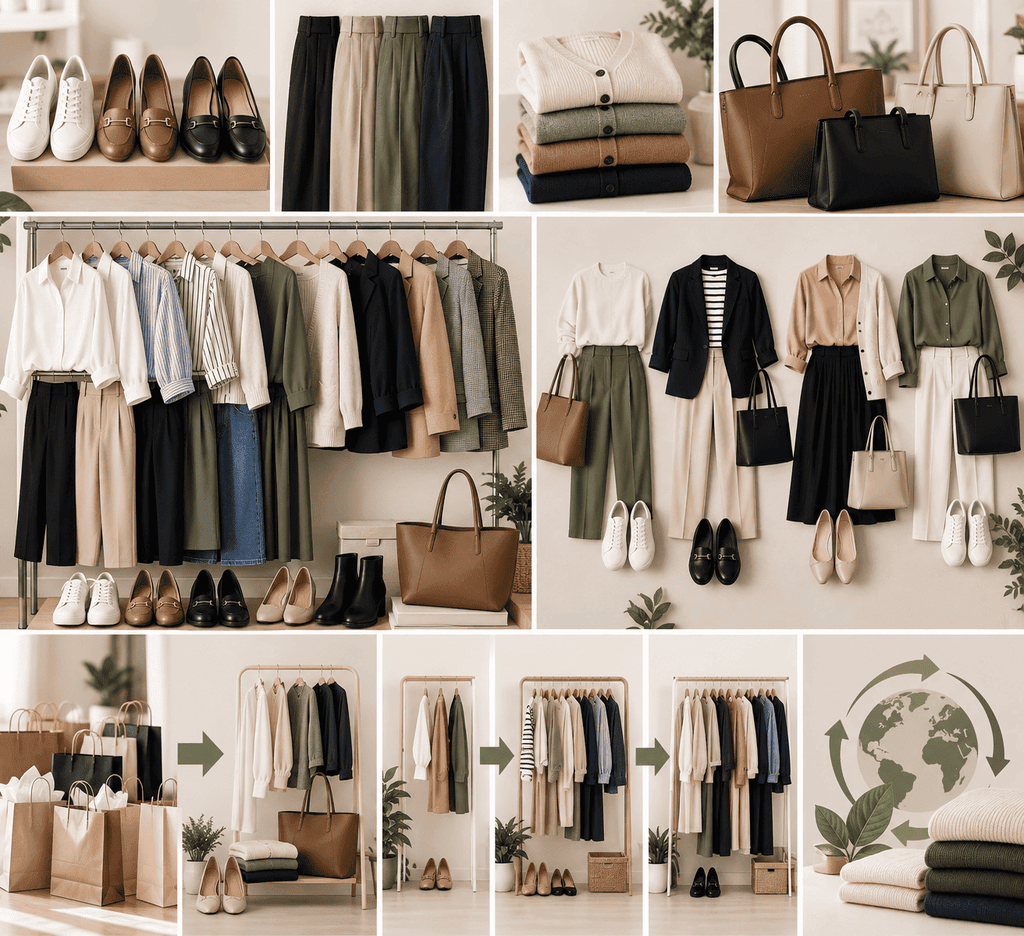
Creating a practical and polished teacher wardrobe doesn’t require a big budget. Start with clothes you already have, then add only the essentials that are missing.
Many teachers work with a fixed budget, so every purchase should add value. Instead of filling your closet with trendy items that you may wear once, focus on timeless basics that you can wear throughout the school year.
If you’re just getting started, our guide on how to build a minimalist wardrobe on a budget shares practical tips that also work well for teachers.
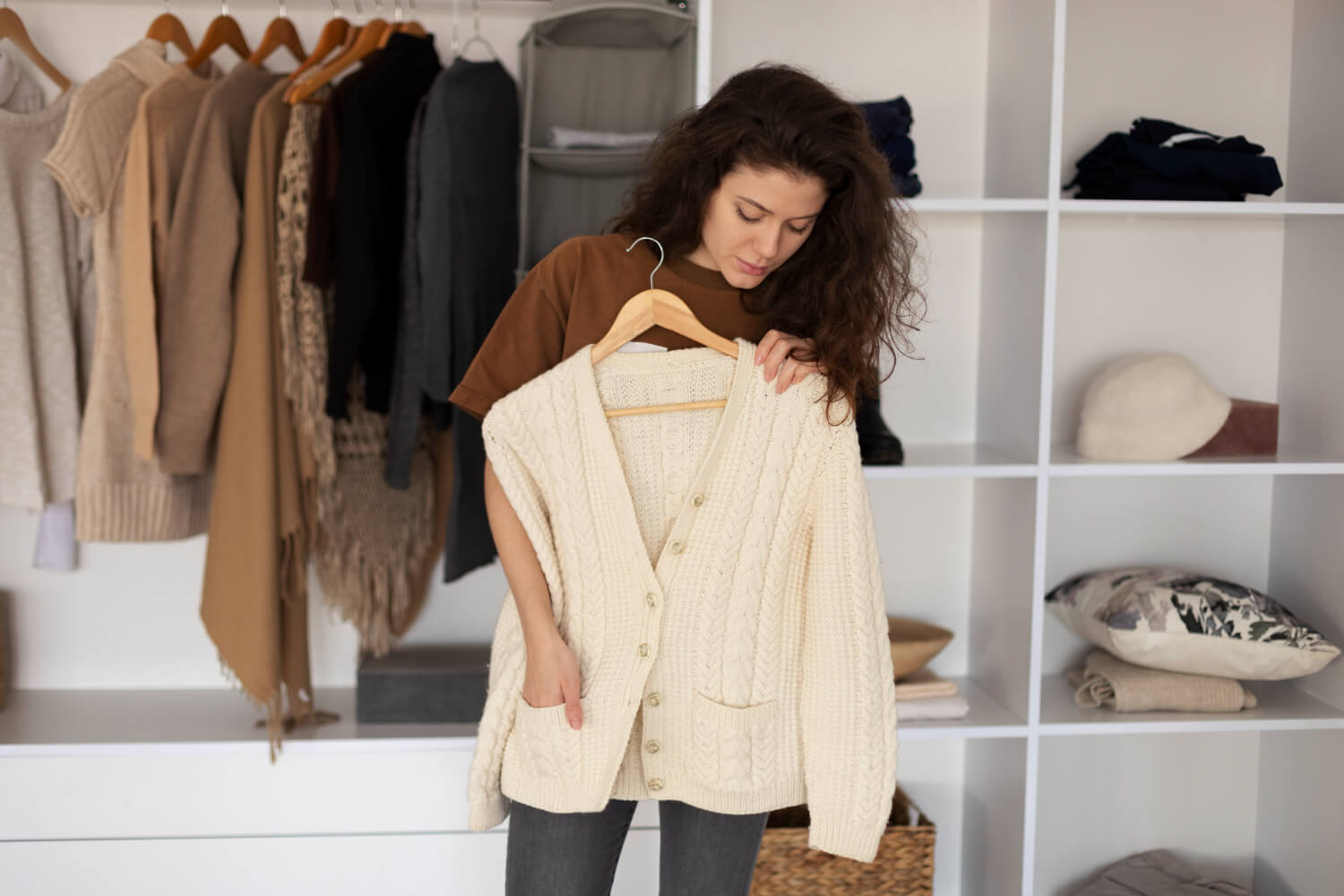
1. Start by Shopping Your Own Closet
Before buying anything new, take everything out of your wardrobe and sort it into three groups:
- Clothes you wear regularly
- Clothes that need repairs or alterations
- Clothes you haven’t worn in over a year
You may discover that you already own several Teacher Wardrobe Essentials, such as neutral blouses, cardigans, or comfortable trousers. Keeping only the pieces you actually wear makes it much easier to see what’s missing.
If your wardrobe feels overcrowded, you might enjoy our article on the benefits of decluttering for a minimalist wardrobe before making new purchases.
2. Buy Quality Over Quantity
It can be tempting to buy several inexpensive tops because they’re on sale. However, one well-made shirt that lasts for years often provides better value than three cheaper ones that lose their shape after a few washes.
When shopping, look for:
- Durable stitching
- Comfortable fabrics like cotton or linen blends
- Classic cuts that won’t go out of style quickly
The Federal Trade Commission (FTC) also encourages consumers to read clothing labels carefully so they understand fiber content and care instructions before purchasing, helping them make informed buying decisions.
3. Follow the “One New Piece, Three Outfits” Rule
A simple way to avoid unnecessary shopping is to ask yourself one question before buying: Can I wear this with different outfits in my wardrobe? If the answer is no, leave it behind.
For example:
- A navy cardigan works with black trousers, beige pants, and a floral dress.
- A white blouse pairs with almost every skirt or pair of pants.
This habit keeps your wardrobe flexible instead of crowded.
4. Shop During Seasonal Sales
Teachers don’t always need brand-new seasonal collections.
Instead:
- Shop at end-of-season sales.
- Watch for back-to-school discounts.
- Check trusted thrift or consignment stores for quality basics.
Buying classic clothing at discounted prices helps stretch your budget without sacrificing quality.
The Goodwill organization also promotes secondhand shopping as an affordable and sustainable way to extend the life of clothing.
If you want to become more thoughtful about what you buy, our guide to minimalist shopping shares practical ways to shop with a purpose and reduce unnecessary purchases.
A capsule wardrobe is generally built around a smaller collection of coordinating clothes that can be combined in different ways. For teachers, this approach can make it easier to create practical outfits without keeping an overcrowded closet.
5. Spend More on the Items You Use Most
Every piece in your wardrobe does not need the same level of investment. It usually makes more sense to spend a little extra on clothes and accessories that you depend on throughout the week.
These may include:
- Comfortable everyday shoes
- Versatile trousers
- Well-made cardigans
- A strong and practical work tote
For accessories or fashion pieces that may only be popular for a short time, keeping your spending lower can be a smarter choice.
This approach helps you create a useful wardrobe without spending too much on things you rarely wear.
For example, instead of buying new clothes every few weeks, try creating new combinations from what you already own. You may be surprised by how many outfits are already sitting in your closet.
A few carefully chosen additions can sometimes give you far more outfit combinations than a large shopping trip. Creativity can often be more valuable than buying something new.
Build Your Wardrobe Gradually
There is no need to create your entire capsule wardrobe in a single shopping trip. In fact, building it slowly gives you more time to understand what you actually need.
Consider adding one or two useful pieces when a genuine wardrobe gap appears. Over time, you can develop a collection that coordinates naturally and remains useful for years.
If you want to take a more environmentally conscious approach, read our guide to sustainable capsule wardrobes. It explains how choosing fewer, longer-lasting pieces can support both a practical wardrobe and more responsible shopping habits.
This idea also connects with the wider movement toward sustainable and circular textiles, which encourages more thoughtful approaches to how clothing is produced, used, reused, and eventually managed.
6. Teacher Capsule Wardrobe for Different Seasons
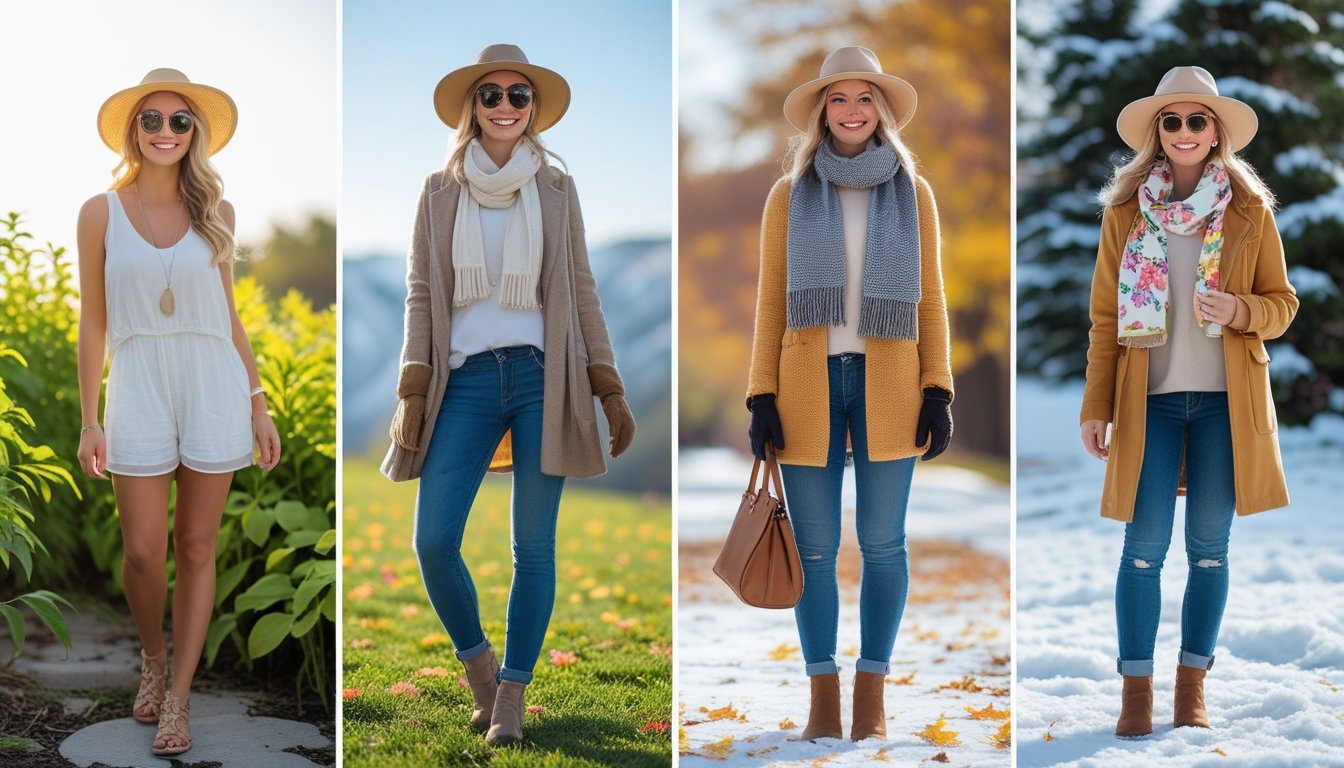
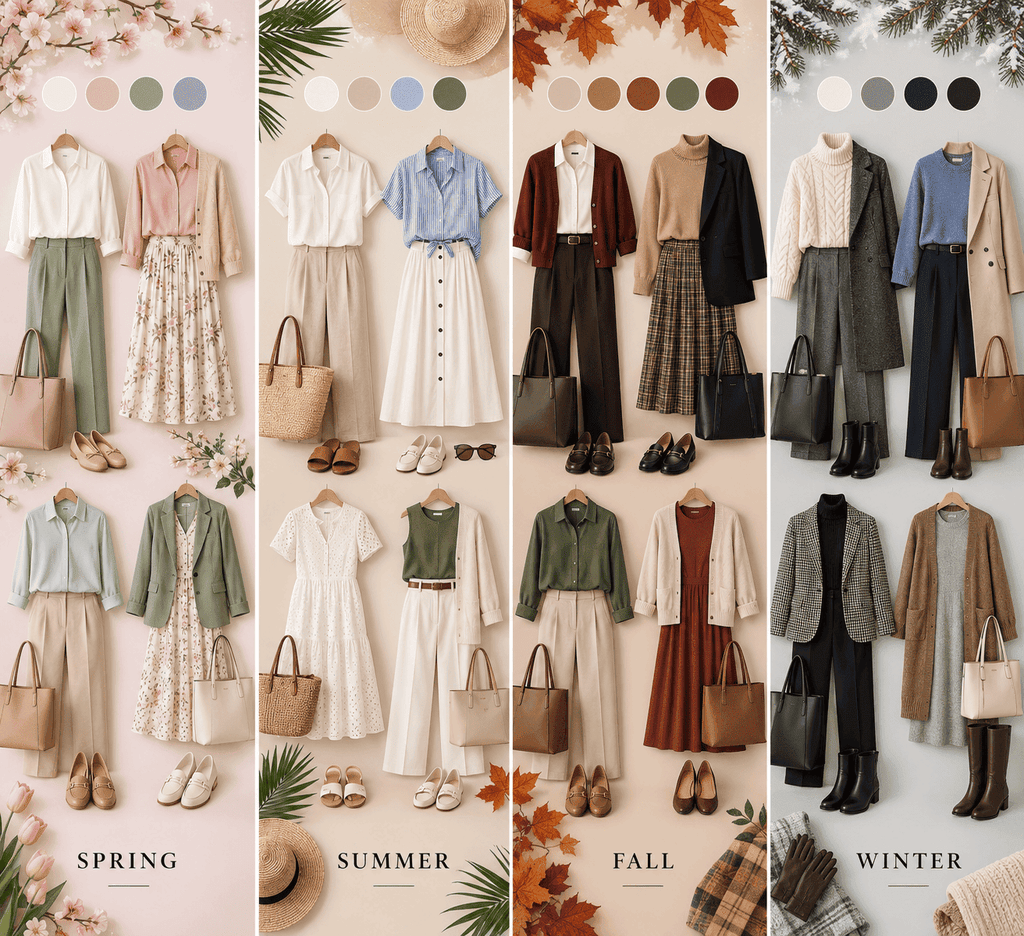
A teacher’s wardrobe does not have to remain exactly the same throughout the year. Outdoor weather changes, indoor temperatures vary, and your clothing needs may be different from one season to another.
However, this does not mean you need four completely separate wardrobes. Keep your main wardrobe basics and rotate a smaller number of seasonal pieces when needed.
For additional inspiration throughout the year, these seasonal minimalist outfit ideas can help you create different looks around a consistent group of basics.
Spring Teacher Wardrobe
Spring is a good time to introduce lighter fabrics, easy layers, and softer shades.
Some simple combinations include:
- Lightweight blouse + ankle trousers + flats
- Cotton shirt + midi skirt + cardigan
- Neutral trousers + pastel top + loafers
- Simple dress + lightweight blazer
You can also introduce pastel or softer accent colors without replacing the neutral foundation of your wardrobe.
Summer Teacher Wardrobe
Warm weather can make choosing school clothes more challenging, especially when you regularly move between hot outdoor areas and air-conditioned classrooms.
Focus on breathable fabrics and clothes that are easy to care for.
Useful summer pieces can include:
- Cotton tops
- Lightweight trousers
- Midi skirts
- Breathable dresses
- Thin cardigans for cooler classrooms
Try to avoid summer clothes that require complicated layering or too much styling before work.
Our guide to a summer minimalist wardrobe for women also offers ideas that can be adapted to suit your school’s dress code.
Fall Teacher Wardrobe
Fall teacher wardrobe means you need to layer your outfits.
You might wear:
- Blouse + trousers + cardigan
- Turtleneck + midi skirt + blazer
- Button-down shirt + trousers + lightweight sweater
- Simple dress + cardigan + loafers
Colors such as camel, olive, brown, burgundy, and warm beige can work especially well with an existing neutral wardrobe.
Winter Teacher Wardrobe
Dressing warmly does not mean giving up a professional appearance. Choose layers that provide warmth while still working with the rest of your clothes.
Useful winter pieces may include:
- Knit sweaters
- Long cardigans
- Structured blazers
- Warm trousers
- Comfortable boots or closed-toe shoes
The important thing is versatility. Before adding a winter piece, consider how many of your existing clothes you can wear it with.
A sweater that works with several trousers and skirts is generally more useful than one that only matches a single outfit.
7. How to Choose Teacher Outfits Wisely According to Your Needs
Teachers already have busy schedules, so clothing should not create unnecessary extra work.
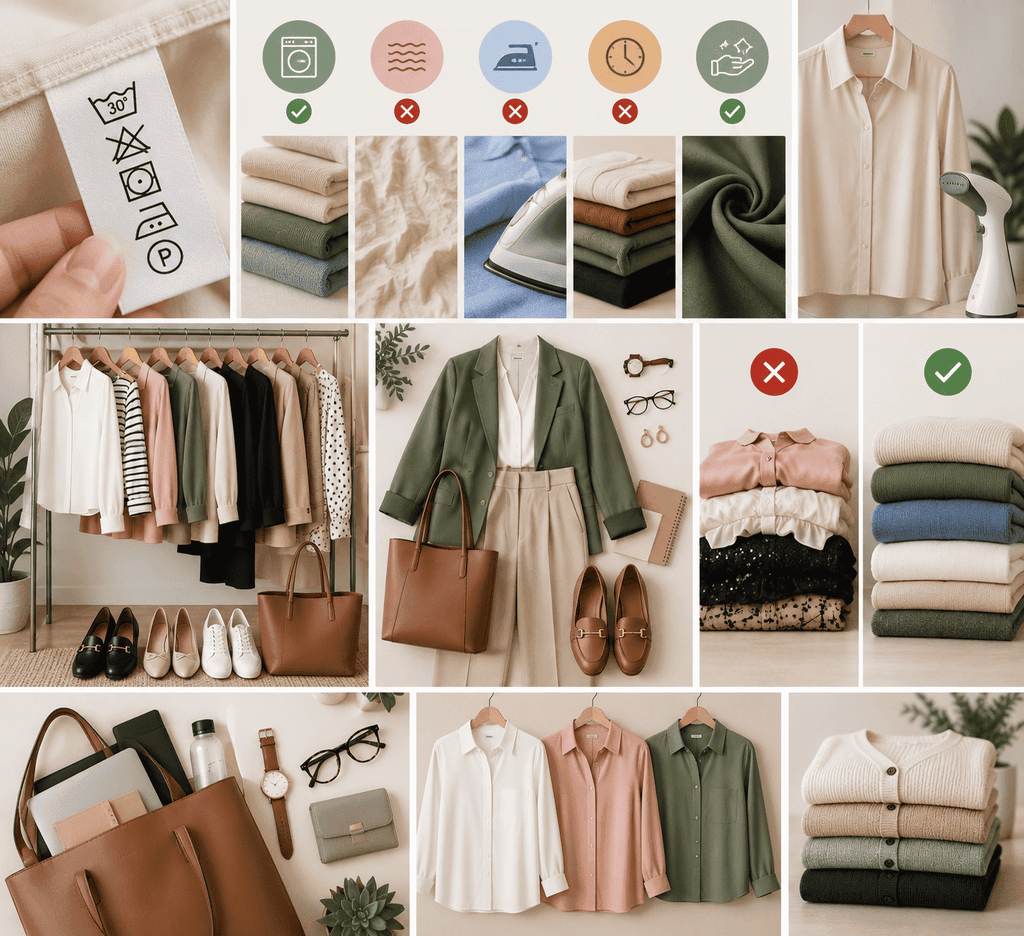
Before buying something, consider the amount of care it will need.
Ask yourself:
- Will it need regular dry cleaning?
- Does the fabric wrinkle quickly?
- Can I wash it easily at home?
- Will it require frequent ironing?
- Do I have time to take care for it?
Reading the care label before buying can prevent inconvenient purchases. In the United States, the FTC’s Care Labeling Rule requires covered manufacturers and importers to provide care instructions for garments.
A useful teacher wardrobe should fit your lifestyle as well as your personal style.
A beautiful shirt may look perfect in the store, but if caring for it becomes a chore after every wear, you may eventually stop using it.
Choose clothes that make your routine easier, not harder.

8. Teacher Capsule Wardrobe for School Events
A teacher’s week can include much more than regular classroom lessons.
You may need to dress for:
- Parent-teacher meetings
- School assemblies
- Staff meetings
- Presentations
- Field trips
- Award ceremonies
- Professional development days
- School celebrations
Including one or two polished pieces in your wardrobe can help you prepare for these occasions without creating a separate collection of formal clothes.
A structured blazer, for example, can quickly make a basic blouse and trousers look more professional.
A simple midi dress can work during a normal teaching day and can also be styled for a meeting or school event.
Similarly, a structured tote can add a polished touch while giving you enough room for everyday school essentials.
Instead of owning different clothes for every situation, choose versatile items that can move easily between normal teaching days and more formal school events.
9. How to Keep a Teacher Capsule Wardrobe Interesting
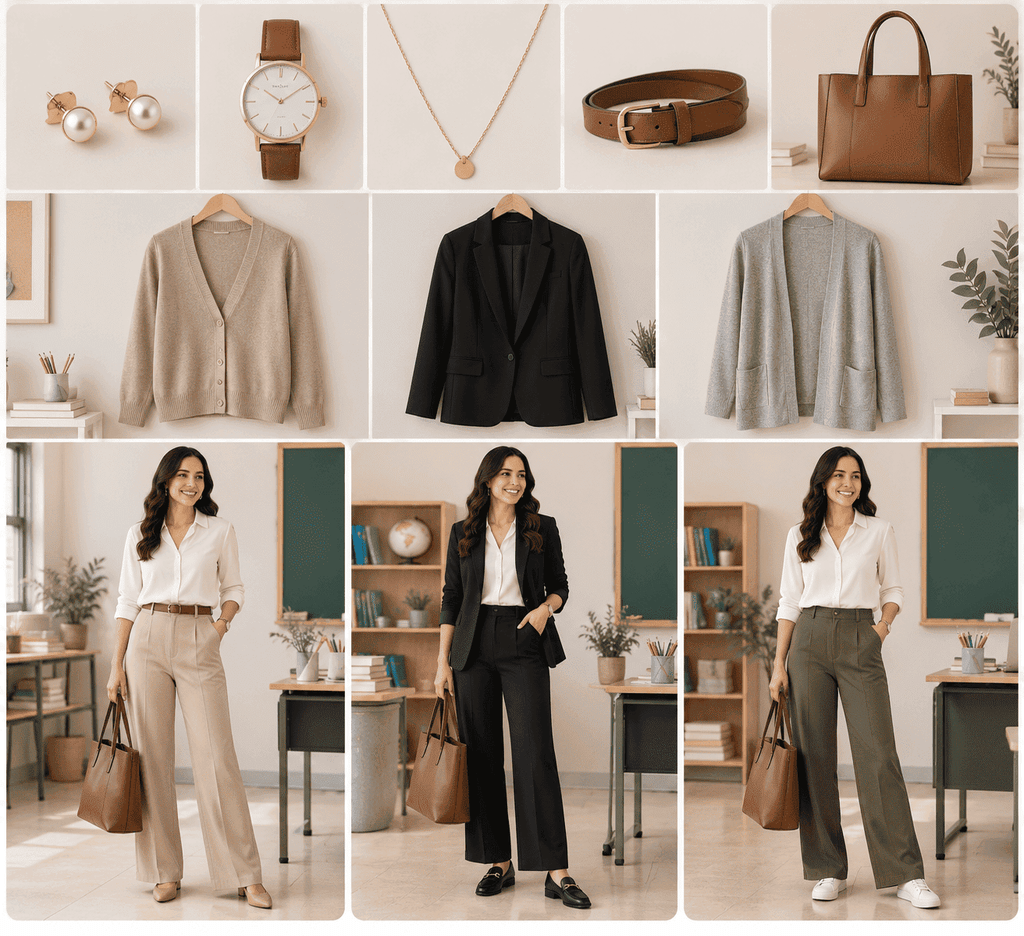
Some people worry that a smaller wardrobe will become repetitive. Having fewer clothes, however, does not mean repeating the exact same outfit every week. Small styling changes can make familiar pieces feel different.
Accessories
Rotate simple accessories such as:
- Small earrings
- A watch
- A simple necklace
- A belt
- A structured tote
You do not need many accessories. A few versatile choices can provide enough variety.
Layers
One blouse can create several different looks depending on the layer you choose.
Try wearing it with:
- A cardigan
- A blazer
- An open-front sweater
The basic outfit stays similar, but the overall appearance changes.
Shoes
Shoes can also change the feel of an outfit. For example, loafers may create a more classic appearance, while clean minimalist sneakers can make the same clothes feel more relaxed.
Color Combinations
Another easy way to create variety is to change your color combinations.
For example:
White blouse + beige trousers creates a soft and classic combination.
White blouse + black trousers creates a cleaner, sharper look.
White blouse + olive trousers feels slightly more casual and relaxed.
Before deciding that you need more clothes, experiment with different combinations of what you already own.
10. Common Teacher Capsule Wardrobe Mistakes to Avoid
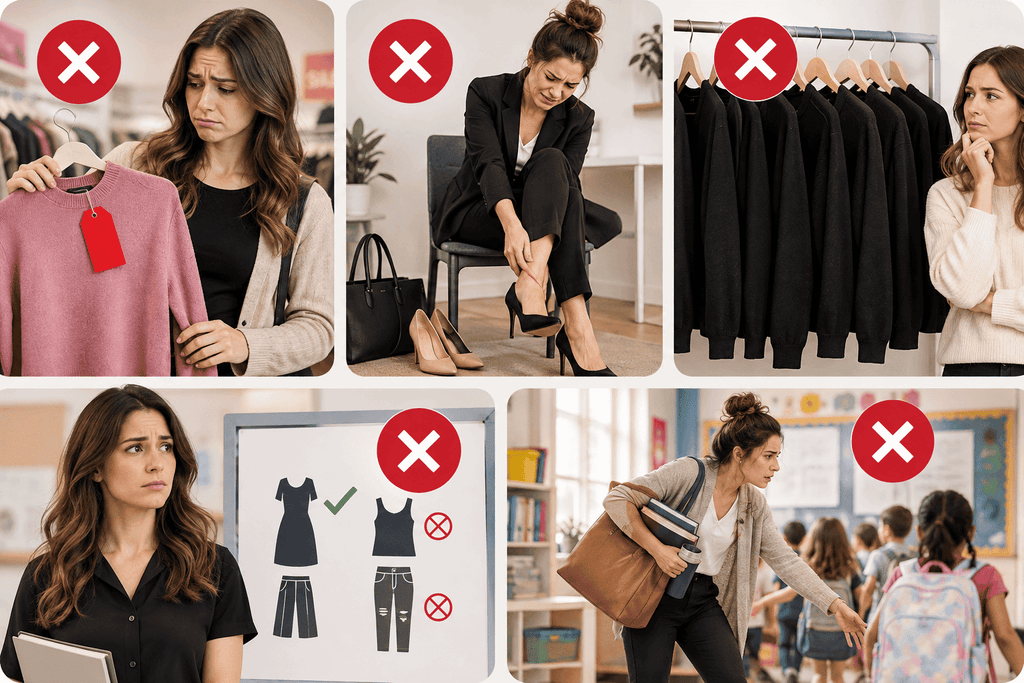
A small wardrobe is only helpful when it suits your actual lifestyle.
Avoid these common mistakes when choosing your pieces.
Buying Something Only Because It Is on Sale
A low price does not automatically make something a good purchase. A discounted top that stays in your closet unworn is still wasted money.
Before buying an item, consider whether it fits your school environment and whether you can combine it with several pieces you already own.
Putting Style Ahead of Comfort
Looking professional matters, but comfort is equally important when you are teaching for several hours.
Shoes that become painful after a short period are unlikely to be practical for regular school days. The same applies to restrictive trousers, uncomfortable fabrics, or clothes that constantly need adjusting.
Owning Too Many Similar Items
Having several almost identical items does not necessarily create more useful outfit choices.
For example, once you already have one or two reliable black cardigans, another nearly identical one may not add much value.
Instead, identify what your wardrobe is actually missing.
Ignoring Your School’s Dress Code
Dress expectations can vary between schools. Check your workplace guidelines before investing in a new teacher wardrobe. Your clothes should make getting ready easier while remaining appropriate for your working environment.
Forgetting What Your Day Actually Looks Like
Build your wardrobe around your normal schedule.
A teacher who supervises recess, moves between buildings, works with young children, or stands for most of the day may have very different clothing needs from someone who spends more time seated.
Choose clothes for the teaching routine you actually have.
11. How to Organize a Teacher Capsule Wardrobe
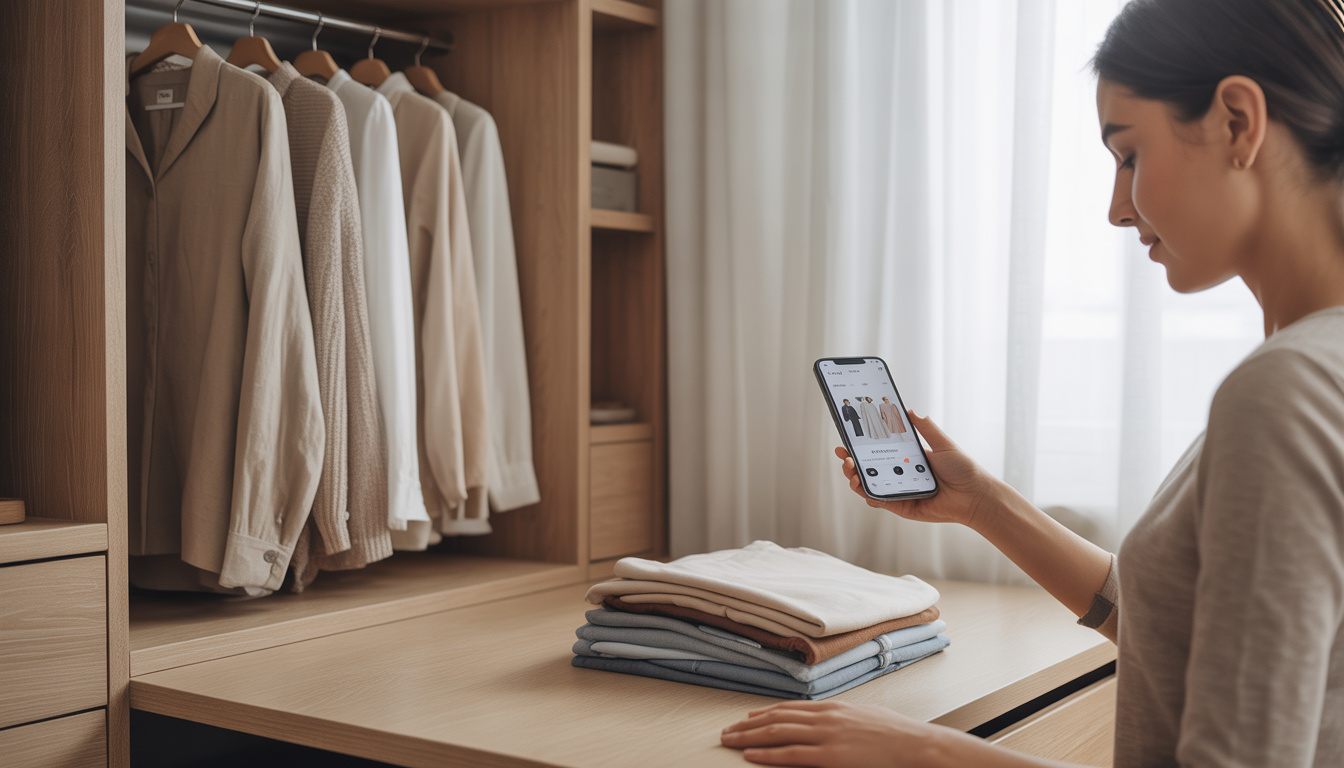
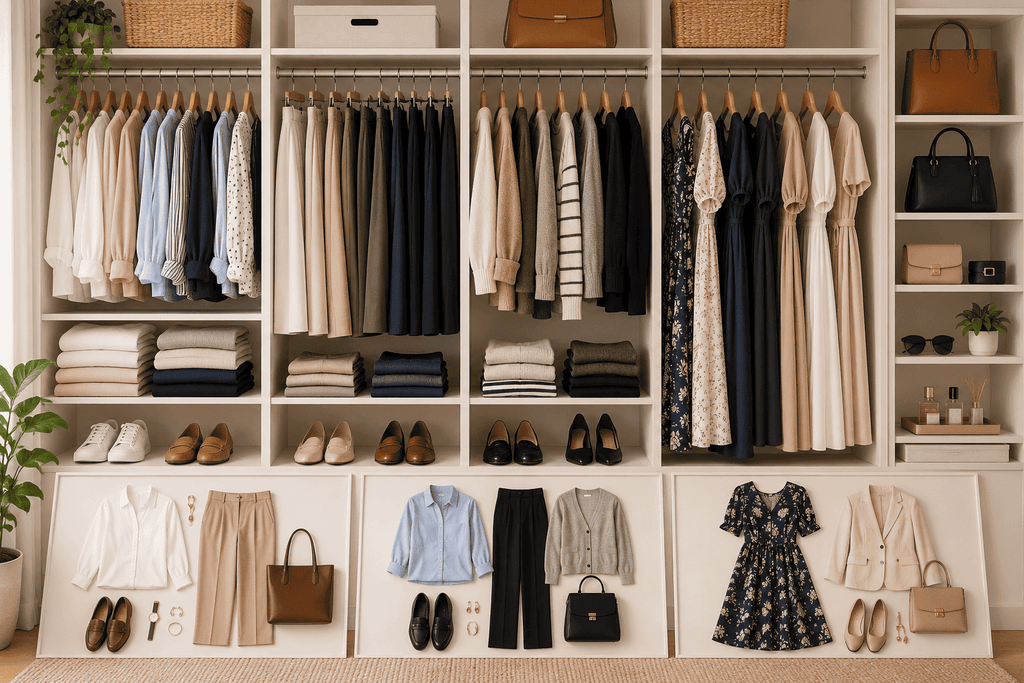
Once you have selected your clothes, good organization can make the wardrobe even easier to use. keep your most frequently worn items where you can reach them easily.
One simple method is to organize your closet into categories:
- Tops
- Bottoms
- Layers
- Dresses
- Shoes
- Accessories
Another option is arranging clothes by color. This can make matching different pieces quicker. It also helps to remember a few dependable outfit formulas.
For example:
White blouse + beige trousers + brown loafers
Blue shirt + black trousers + cardigan
Midi dress + flats + blazer
On a busy morning, these ready-made combinations remove the need to plan an outfit from the beginning.
You already know what works.
12. How to Renew a Teacher’s Wardrobe
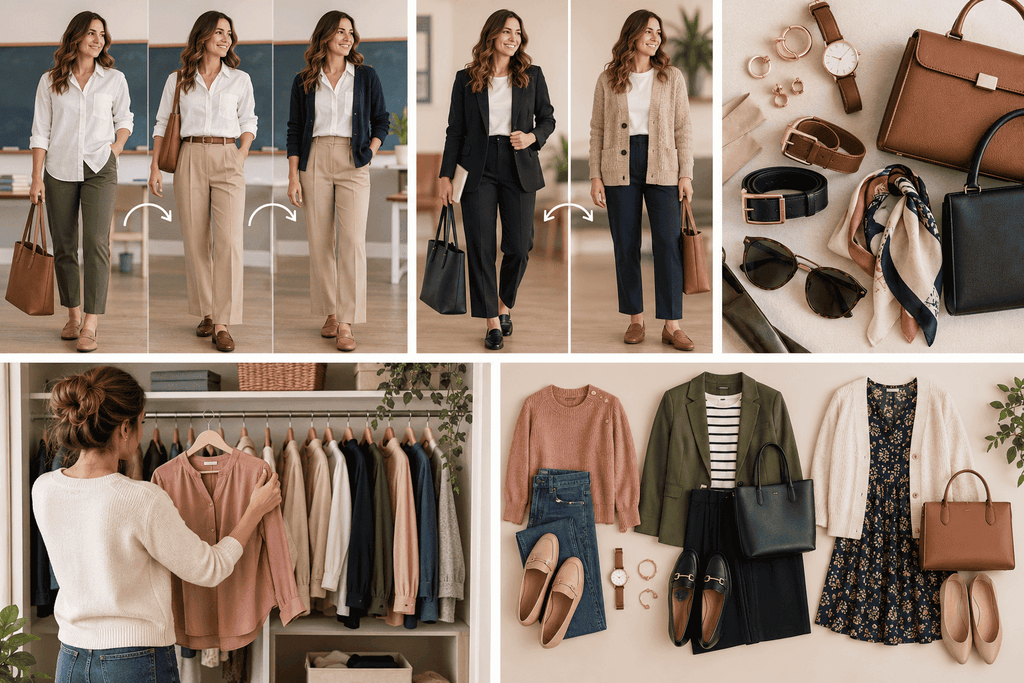
Feeling bored with your wardrobe does not always mean you need something new. Before shopping, experiment with the clothes you already own.
Restyle Existing Clothes
Try wearing the same shirt in different ways. You might tuck it into trousers one day and wear it untucked with a cardigan on another. Small styling changes can make familiar clothes feel different.
Change Your Layer
Layers can completely change the overall appearance of an outfit.
You can play with the layers while deciding your outfit; for example, if you choose to wear a blazer, it will look more professional; on the other hand, if you go with a cardigan, it will give you a casual and relaxing look.
Rotate Your Accessories
Switching your watch, belt, earrings, or bag is another simple way to add variety without buying new clothes.
Look Again at Forgotten Clothes
There may be useful pieces in your closet that you have stopped wearing simply because you have not found the right way to style them.
Before donating or replacing them, try combining these pieces with your most reliable basics.
If your wardrobe feels overcrowded, learning about the benefits of decluttering for a minimalist wardrobe can help you decide what deserves to stay and what is no longer useful.
As you use a capsule wardrobe for longer, you usually become better at recognizing which combinations work for you.

13. Is a Teacher Capsule Wardrobe Really Worth It?
For many teachers, the main advantage of a capsule wardrobe is not being more fashionable. It is making everyday dressing more predictable.
- You already know which trousers fit comfortably.
- You know which shoes can be comfortable a long school day.
- You know which cardigan works with several different tops.
- You also know that most of the clothes in your closet can be combined without much effort.
This familiarity can reduce the number of small decisions you have to make during an already busy morning.
A capsule wardrobe may also encourage more careful shopping. Instead of frequently replacing clothes or buying pieces without a clear purpose, you can continue using what works and replace items only when there is a genuine need.
Keeping useful clothing in rotation for longer also fits with broader efforts to reduce unnecessary fashion consumption. The United Nations Environment Programme highlights textile waste and unsustainable consumption as major challenges for the fashion and textile sector.
Choosing clothes carefully, caring for them properly, and using them for longer can make your wardrobe more intentional while reducing the habit of constantly replacing wearable pieces.
14. Final Teacher Capsule Wardrobe Tips
Before shopping for your teacher capsule wardrobe, keep these practical ideas in mind:
- Begin with clothes you already own.
- Prioritize comfort over short-lived trends.
- Choose colors that are easy to combine.
- Look for clothes that can be used in several outfits.
- Spend more carefully on pieces you wear regularly.
- Read care instructions before purchasing.
- Choose comfortable and practical footwear.
- Introduce seasonal clothes gradually.
- Do not copy another person’s wardrobe exactly.
- Design your wardrobe around your own teaching routine.
There is no single perfect capsule wardrobe for every teacher.
Someone teaching elementary school may prefer washable fabrics and clothes that allow plenty of movement. A high school teacher may want a more professional look according to her job designation. Teachers who regularly spend time outdoors may need additional layers and supportive footwear.
These differences are normal. You do not need to follow an exact formula or own a specific number of items.
A successful teacher capsule wardrobe is simply one that makes getting dressed easier and supports you throughout your school day.
FAQs About Teacher Capsule Wardrobes
What should a teacher wear to school?
Depending on the school’s dress requirements, suitable choices may include trousers, blouses, button-down shirts, midi skirts, cardigans, simple dresses, loafers, flats, or clean supportive sneakers.
Look for clothing that allows you to move comfortably while maintaining an appropriate workplace appearance.
How many outfits should be in a teacher wardrobe?
There is no exact number that every teacher needs to follow.
As a starting point, you might consider 6 to 8 tops, 3 to 5 bottoms, 2 to 3 layering pieces, and 2 to 3 pairs of comfortable shoes.
You can increase or reduce these numbers depending on your climate, laundry schedule, school dress code, and personal preferences.
What shoes are comfortable for teachers who stand all day long?
Choose shoes that fit properly, provide the level of support you need, and meet your school’s dress expectations.
Depending on your preferences, this could include loafers, cushioned flats, supportive sneakers, or comfortable low-heel shoes.
Do not judge footwear only by appearance. Try to determine whether the shoes remain comfortable after extended wear before relying on them for regular teaching days.
How can teachers build a capsule wardrobe on a small budget?
Begin by checking what you already own.
Identify your most frequently worn pieces and then look for genuine gaps in your wardrobe. When you do need something, prioritize items that can work with several existing outfits.
Sales and secondhand shopping can also help reduce costs, but only buy something when it serves a clear purpose in your wardrobe.
What should teachers wear in hot weather?
Choose lightweight, breathable clothes that remain suitable for your workplace.
Cotton shirts, light trousers, midi skirts, simple dresses, and breathable layers can all be practical choices depending on your school’s dress requirements.
Try to choose fabrics and styles that are comfortable and easy to maintain during warmer months.
How can teachers avoid looking repetitive with a capsule wardrobe?
Focus on changing how you combine your clothes instead of continually buying new pieces. Experiment with different shoes, layers, accessories, and color combinations. For example, the same blouse may look different when paired with trousers, a midi skirt, a cardigan, or a blazer.
Is a capsule wardrobe suitable for teachers with a strict dress code?
Yes. A smaller wardrobe can actually make workplace dress requirements easier to manage.
Start by reviewing your school’s rules. Then choose a collection of comfortable, versatile clothes that meet those expectations.
This can make it easier to know that most items in your closet are suitable for work.
How often should teachers replace capsule wardrobe pieces?
There is no fixed schedule for replacing clothes. Continue using an item while it fits well, remains in good condition, and still suits your lifestyle.
Consider replacing it when it becomes heavily worn, cannot be repaired practically, no longer fits correctly, or no longer meets your needs. Proper care can also help your most useful pieces last longer.
Can a teacher capsule wardrobe include jeans?
Yes, as long as your school’s dress code allows them.
Choose a clean and comfortable pair in a versatile wash. You can create a more polished outfit by pairing jeans with a blouse, cardigan, blazer, or simple professional shoes.
What is the most important teacher wardrobe essential?
There is no single item that every teacher must own. The most important principle is choosing clothes that suit your real teaching routine.
Beautiful clothes are not particularly useful if they are uncomfortable, difficult to care for, or inappropriate for your workplace.
The best capsule wardrobe is one that you can comfortably wear and rely on throughout your teaching week.