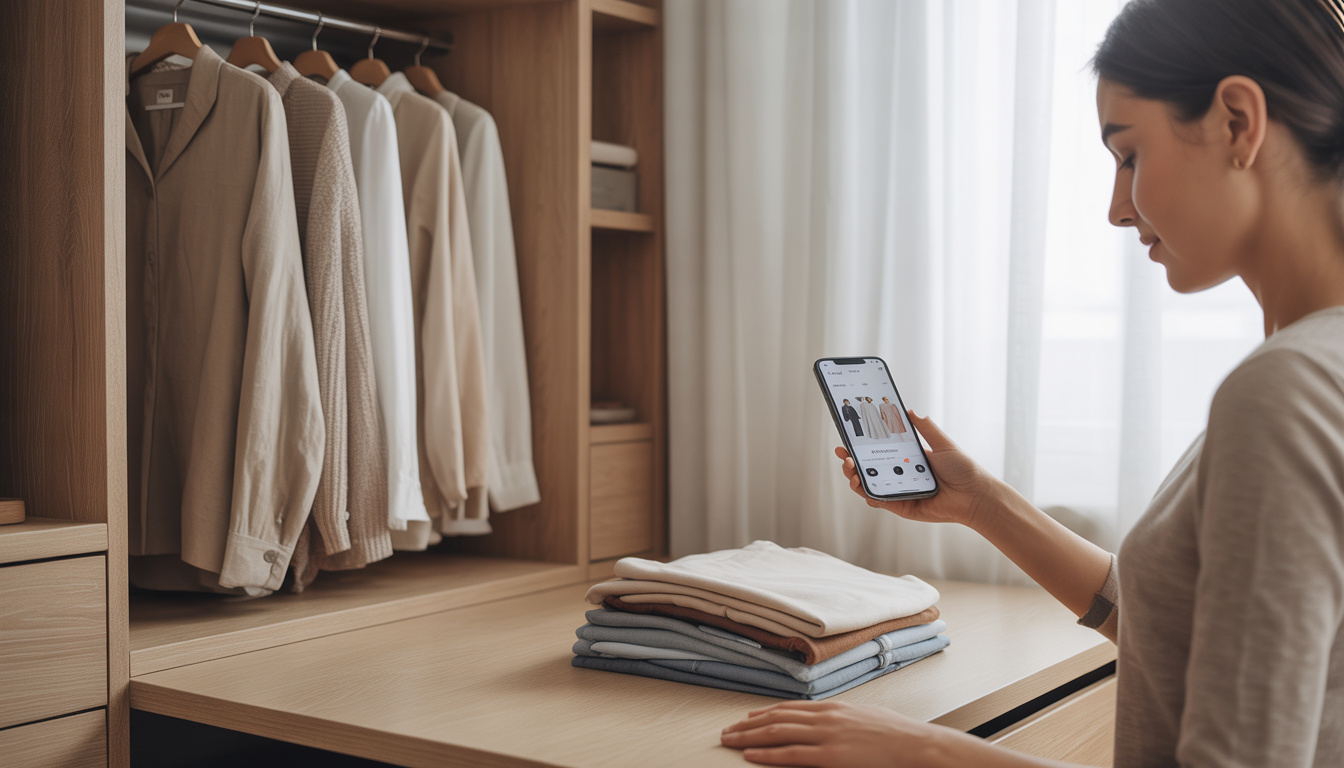
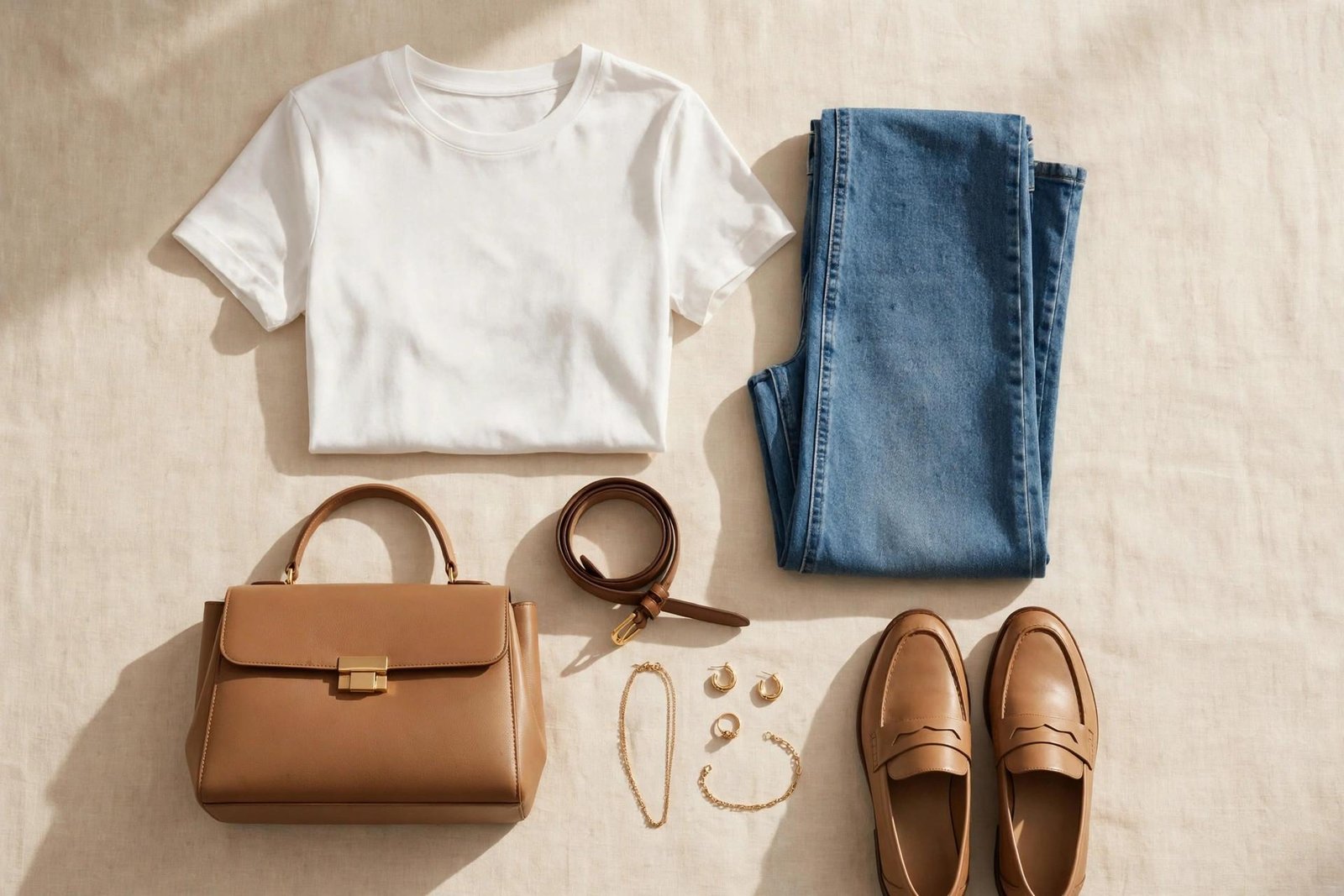
A simple outfit can look surprisingly polished with just a few thoughtful changes. Think about a white T-shirt, straight-leg jeans, and everyday shoes. Nothing unusual about that combination. Yet, add a structured handbag, a neat belt, delicate jewelry, and well-maintained shoes, and the entire outfit can feel more intentional.
The difference does not always come from wearing designer labels or buying expensive clothes. Often, it comes from how you combine and care for the pieces you already own.
Learning how to make a basic outfit look expensive is especially useful if you prefer a minimalist wardrobe. Instead of filling your closet with new trends, you can use a small collection of versatile clothes and a few carefully chosen accessories to create different looks.
The goal is not to make inexpensive clothes pretend to be luxury items. It is to create outfits that look coordinated, well-fitted, and appropriate for the occasion without spending more than necessary.
Here are nine practical styling tips to help you achieve that polished look while keeping your wardrobe simple and functional.
What Makes a Basic Outfit Look Expensive?
An expensive-looking outfit is not necessarily an expensive outfit. It usually has a few visual qualities that make everything appear considered and well put together.
These include:
- Clothes that fit comfortably and suit your proportions.
- Colors that work well together.
- Clean, wrinkle-free garments.
- Accessories that complement rather than compete with the outfit.
- Shoes and bags that look neat and well-maintained.
- Simple combinations without too many competing details.
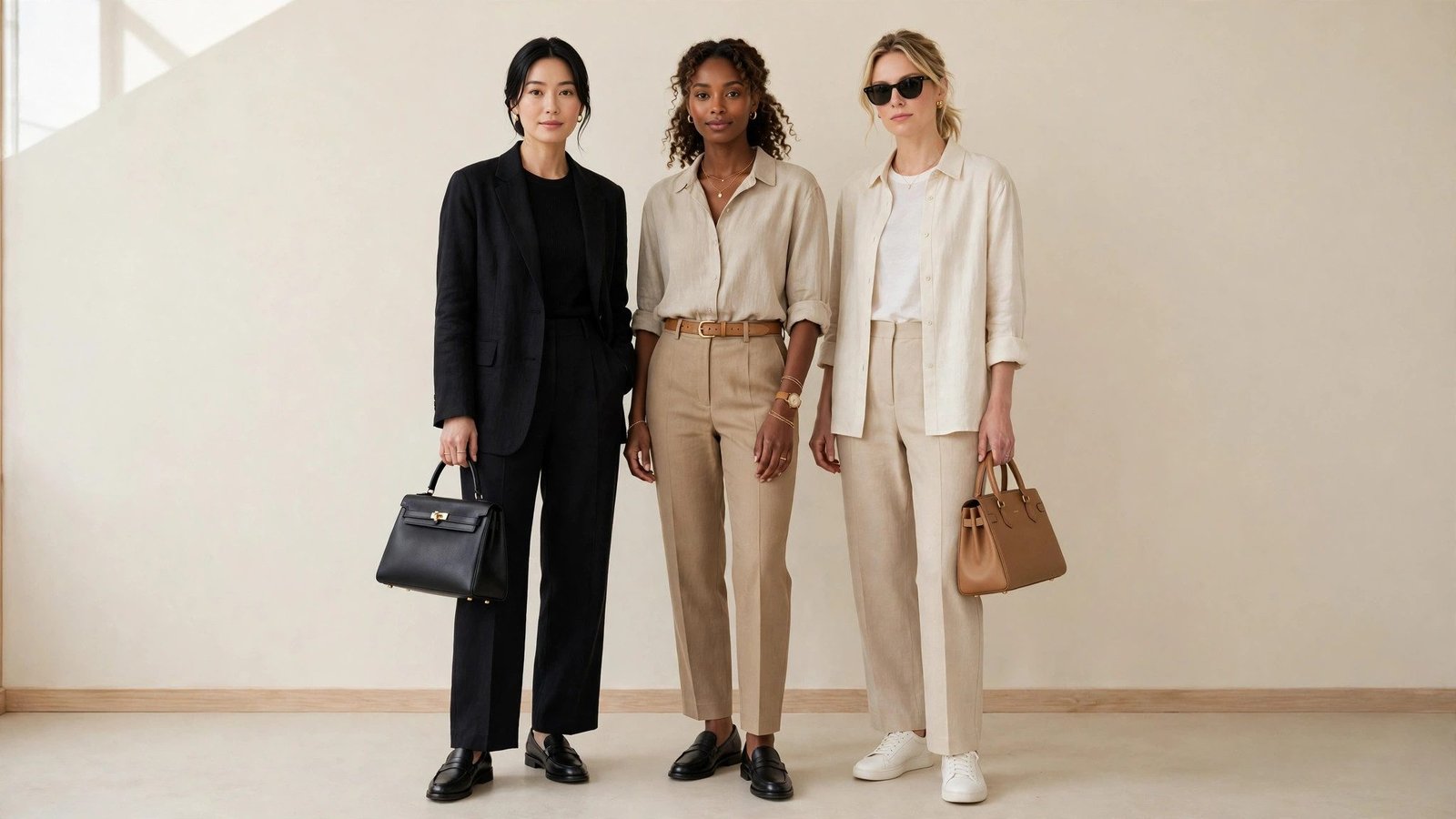
For example, a plain black top with tailored trousers and clean loafers can look more refined than an outfit covered in noticeable logos and decorative details.
Minimalist fashion works particularly well with this approach because it emphasizes versatility, simplicity, and thoughtful styling. You do not need a completely new wardrobe to improve your appearance. Sometimes, changing how you wear familiar pieces is enough.
1. Start With Well-Fitted Clothes
Fit is one of the first things to consider when you want a basic outfit to look more polished.
Even a simple T-shirt and pair of trousers can look intentional when the shoulders sit properly, the waistband feels comfortable, and the trouser length works with your shoes. On the other hand, clothes that constantly bunch, pull, sag, or wrinkle can make an outfit appear less finished.
This does not mean everything must be tight or perfectly tailored. Relaxed clothing can look elegant too. The important thing is choosing a shape that feels balanced and allows you to move comfortably.
How to improve the fit of everyday clothes
Start by checking a few details:
- Shoulders: The shoulder seams of a standard fitted shirt should generally sit near the natural edge of your shoulders. Oversized styles are an exception, but they should look intentionally oversized rather than accidentally too large.
- Sleeves: Sleeves should allow comfortable movement without excessive bunching. If a shirt has long sleeves, a simple fold or neat cuff can make it look more deliberate.
- Trousers: Check whether the waistband sits comfortably and whether the fabric pulls across the hips or thighs. The hem should work with the shoes you plan to wear.
- Shirts: A shirt should not pull noticeably across the buttons or hang awkwardly around the waist. Try a simple front tuck if the length and fabric allow it.
Small alterations can sometimes make a bigger difference than buying another item. Shortening trousers, adjusting a loose waistband, or fixing a sleeve length may help you get more use from something already in your closet.
A Personal-Style Story: The Difference a Small Fit Adjustment Made
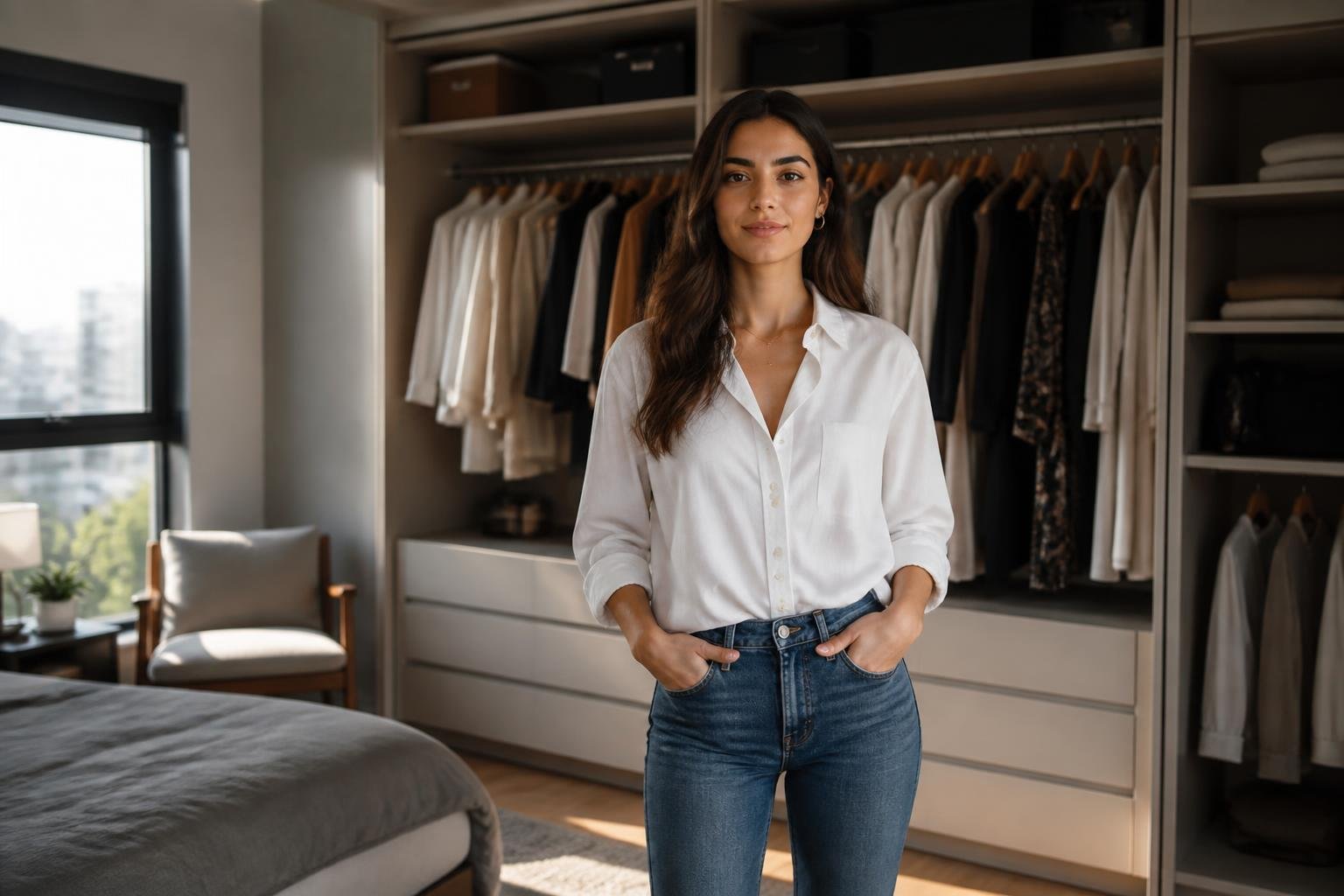
I used to reach for the same loose white shirt whenever I wanted an easy outfit. It was comfortable, but the shoulders drooped and the sleeves covered most of my hands, so the whole look felt a little careless. One day, instead of replacing it, I tried a small front tuck, folded the sleeves neatly, and wore it with straight-leg jeans and a simple belt. The shirt suddenly looked much more intentional. It reminded me that a good outfit is not always about buying something new; sometimes it is about making the pieces you already own work better.
This is an illustrative first-person scenario, not a verified account from a named individual.
South Dakota State University Extension discusses how individual body proportions can affect ready-to-wear fit and why alterations may be necessary. Its older educational guidance is still useful as a basic introduction to clothing fit.
For more technical information, explore the South Dakota State University guide to fitting and alterations.
Try this: Choose one outfit you wear regularly. Check the shoulders, waist, sleeves, and hems. Identify one small adjustment that could make it sit better.
2. Add Simple Gold or Silver Jewelry
Jewelry is one of the easiest ways to accessorize a basic outfit. It can add detail to plain clothing without making the overall look complicated.
For a minimalist wardrobe, you do not need a large jewelry collection. A few versatile pieces can work with several different outfits.
Consider:
- Small gold or silver hoop earrings.
- Simple stud earrings.
- A delicate chain necklace.
- A classic bracelet.
- A minimal ring.
- A simple pendant necklace.
The best choice depends on your personal style, the neckline of your top, and the occasion.
Match jewelry to your outfit
A plain crew-neck T-shirt can work well with a short necklace or small hoop earrings. A V-neck blouse may look better with a delicate pendant that follows the neckline.
If you are wearing a button-down shirt, try leaving the top button open and adding a simple chain. For an outfit with a high neckline, earrings or a bracelet may provide enough detail without adding another necklace.
There’s no rule against wearing gold and silver together, so go with whatever you enjoy. However, repeating a similar finish in a few places can help the overall look feel coordinated.
Avoid wearing everything at once
More jewelry does not automatically create a more polished appearance. Several large necklaces, statement earrings, multiple bracelets, and oversized rings can compete for attention.
Instead, choose one main piece and keep the others relatively subtle.
Real-life example: Imagine you have a plain cream sweater and dark straight-leg jeans. Instead of buying a new outfit, add small gold hoops, a fine necklace, and a simple watch. The clothing remains unchanged, but the combination feels more complete.
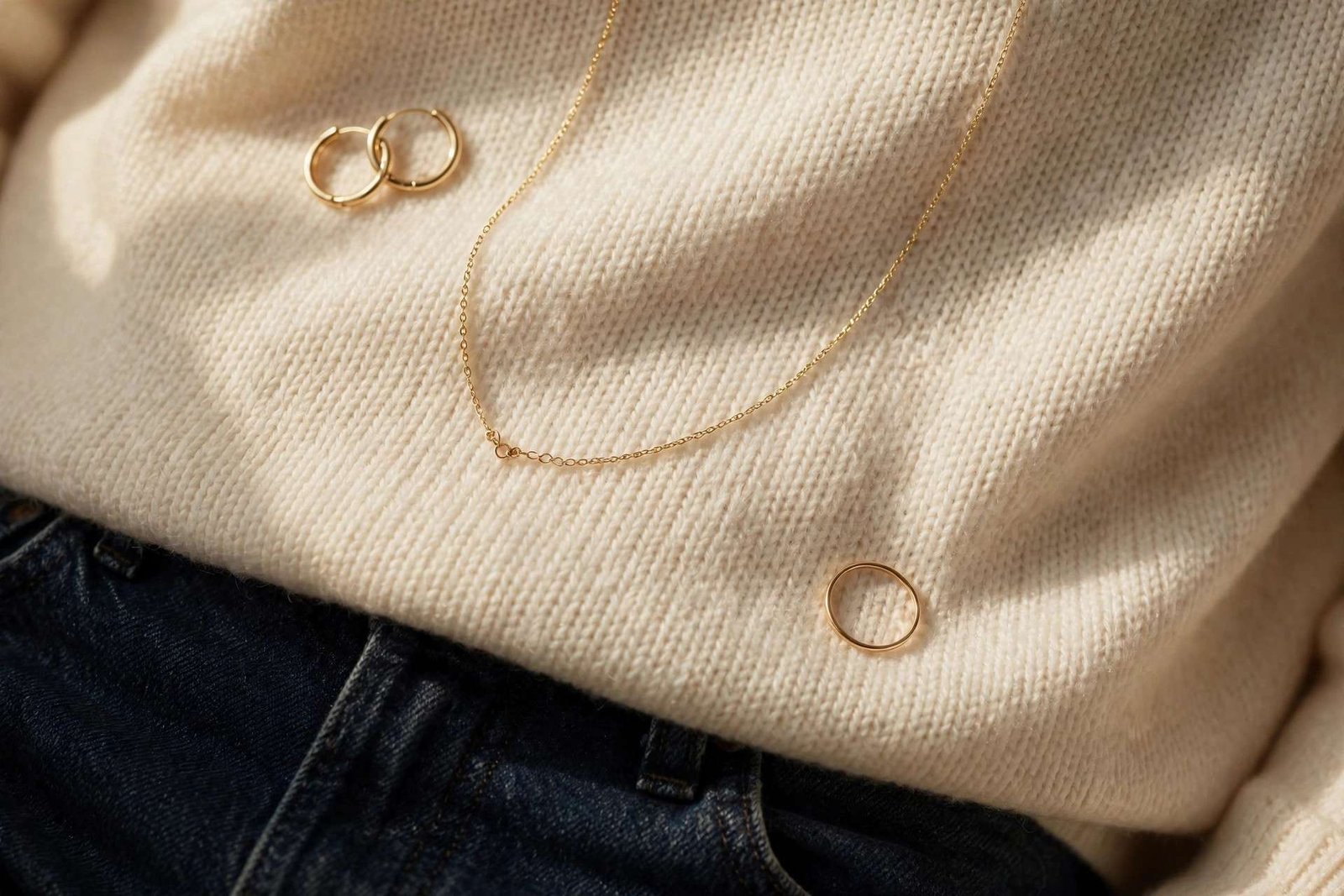
Jewelry should complement your outfit, not become the only thing people notice.
3. Choose a Structured Handbag
A handbag can influence how an entire outfit looks. A structured bag often creates a more polished appearance because it maintains its shape and gives the outfit a clear finishing detail.
This does not mean you need an expensive designer handbag. Shape, condition, size, and coordination matter more than a famous logo.
What should you look for?
When choosing an everyday handbag, consider these features:
- A shape that holds its structure when you put it down.
- Neat stitching and secure handles.
- A closure that works properly.
- A size that suits your daily needs.
- A neutral or versatile color.
- Minimal decorative hardware.
Black, tan, chocolate brown, beige, and deep burgundy can work well with many wardrobe combinations. However, the best color is one that complements the clothes you actually wear.
For example, if your wardrobe contains mostly navy, white, gray, and black, a tan or black handbag may be easier to style than a brightly patterned option.
Match the bag to the occasion
A large tote can work for commuting, shopping, or carrying everyday essentials. A smaller shoulder bag may be more suitable for casual outings. A compact crossbody can be practical when you want to keep your hands free.
The goal is to choose a bag that looks appropriate for the setting and does not overwhelm the rest of your outfit.
Keep your handbag in good condition
An otherwise polished outfit can look unfinished when the bag has peeling material, broken straps, loose threads, or visible stains.
Clean it according to the manufacturer’s care instructions. Store it in a way that helps maintain its shape, and avoid overfilling it if that causes the sides to stretch.
One versatile handbag that works with several outfits can be more useful than several bags purchased for individual looks.
4. Use a Classic Belt to Define Your Outfit
A belt is a small accessory, but it can make a noticeable difference to the appearance of everyday clothing.
It adds structure, creates a visual connection between different pieces, and can make an outfit look more intentional.
For a simple wardrobe, consider having one black belt and one brown or tan belt if both colors work with your existing shoes and bags.
How to style a belt
- With jeans: A simple leather or leather-look belt can complete a combination of jeans and a tucked-in T-shirt.
- With trousers: A slim belt can add a neat finishing detail to tailored pants.
- Dresses: The right belt can define your waist and change the silhouette, depending on the dress shape and fabric.
- With oversized shirts: A belt can help create more shape when worn with suitable high-waisted trousers or jeans.
Choose the right width and buckle
A medium-width belt is often a practical everyday option. A very wide belt may look better with certain dresses or oversized garments, while a slim belt can work with more delicate outfits.
Look for a buckle that suits your personal style. Simple gold, silver, or understated metal finishes are generally easy to coordinate.
You should also consider comfort. A belt that is too tight or constantly shifts position can make an outfit less practical.
Real-life example: Imagine you wear black trousers and a white button-down shirt to work. The combination is simple, but adding a slim black belt with a subtle buckle can connect the two pieces and create a more finished appearance.
Before buying another accessory, check whether you already own a belt that could serve this purpose.
5. Wear Clean, Well-Maintained Shoes
The right shoes can lift an outfit, and the wrong ones can undo it. Even well-chosen clothing may look unfinished when the shoes are dirty, damaged, or unsuitable for the occasion.
You do not need a large shoe collection to dress well. A small selection of versatile styles can cover many everyday situations.
Some practical options include:
- Clean white or neutral sneakers.
- Simple black or brown loafers.
- Classic ballet flats.
- Minimal ankle boots.
- Comfortable low heels.
- Simple sandals for warmer weather.
The right choice depends on your lifestyle, climate, and the type of clothing you wear most often.
Why shoe condition matters
Pay attention to the details that are easy to overlook:
- Remove visible dirt and dust.
- Check whether the soles are coming loose.
- Replace worn laces when necessary.
- Keep leather or synthetic materials clean using suitable products.
- Repair small problems before they become larger.
- Store shoes properly when they are not in use.
Avoid wearing shoes that are uncomfortable simply because they look elegant. A polished outfit should still allow you to walk naturally.
Coordinate shoes with your clothing
You do not have to match your shoes and handbag exactly. However, choosing colors that work with the rest of your outfit can help create a balanced appearance.
For example, take black loafers: they work just as well with black trousers as with dark jeans or a neutral dress. Tan flats may complement cream, beige, navy, and brown clothing.
For a minimalist wardrobe, versatility is more useful than owning a different shoe style for every trend.
6. Add a Classic Watch
A simple watch can add a refined detail to everyday clothing without requiring much effort.
It works particularly well with minimalist outfits because it provides a subtle finishing touch without adding too much visual detail.
Consider these styles:
- A slim metal bracelet watch.
- A simple leather-strap watch.
- A classic round-face watch.
- A minimalist watch with a clean dial.
Choose a design that feels comfortable and suits the clothes you wear most often.
How to style a watch
A metal bracelet watch can complement simple jewelry and tailored clothing. A leather-strap watch may work particularly well with casual outfits, jeans, and button-down shirts.
You can also wear a watch with a bracelet, but make sure the combination feels comfortable and does not become too crowded.
The size matters too. A very large watch may dominate a delicate outfit, while a smaller design can provide a more subtle appearance.
You do not need to purchase a luxury watch to achieve this effect. A clean, well-maintained watch with a simple design can work perfectly well.
If you rarely wear watches, do not buy one simply because it appears in fashion advice. The best accessories are the ones that fit naturally into your everyday routine.
7. Use Sunglasses to Complete Your Look
Sunglasses can be both practical and stylish. They protect your eyes when chosen with appropriate UV protection, while their shape can add an interesting finishing detail to an otherwise simple outfit.
For a versatile minimalist collection, start with a classic frame rather than a highly decorative or trend-driven design.
Popular shapes include:
- Wayfarer-style frames.
- Classic rectangular frames.
- Simple round frames.
- Subtle cat-eye frames.
- Traditional aviator frames.
There is no single shape that suits everyone. Face shape can offer a starting point, but personal preference, comfort, and proportion matter more than strict fashion rules.
What to consider when buying sunglasses
Do not choose sunglasses based only on how dark the lenses appear. Before buying, look for a tag that says 100% UV protection (UVA and UVB) or UV400.
Dark lenses without adequate UV protection are not a suitable substitute for proper eye protection.
Also consider:
- Whether the frames sit comfortably on your nose.
- Whether they slide when you move.
- Whether the arms fit without squeezing.
- Whether the lens size works for your face.
- Whether the design complements your everyday wardrobe.
A black or tortoiseshell frame can be a versatile starting point, but neutral brown, gray, or other subtle colors may work just as well.
Style them naturally
Sunglasses can complement a basic combination of jeans, a white shirt, and sneakers. They can also work with summer dresses, linen clothing, and relaxed weekend outfits.
Keep the rest of your accessories simple if your sunglasses already have a bold shape.
The purpose is to complete your look, not create an outfit around every accessory you own.
8. Coordinate Your Colors and Accessories
One of the easiest ways to make a basic outfit look more expensive is to create a sense of coordination.
This does not mean every item needs to be the same color. Instead, choose a small group of colors that work together.
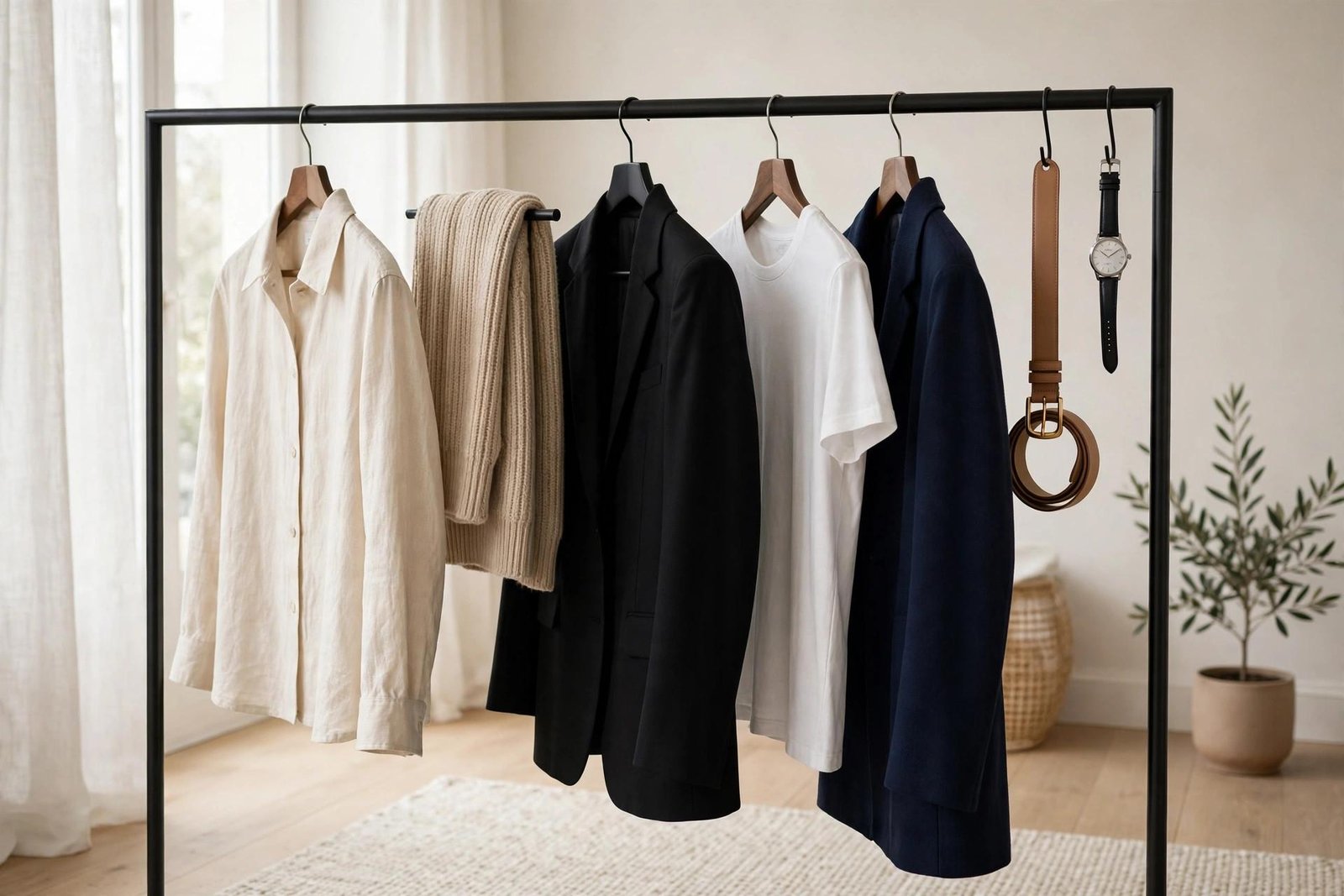
A minimalist color palette often includes:
- Black.
- White.
- Cream.
- Beige.
- Gray.
- Navy.
- Brown.
- Muted green.
These colors can be combined in many ways, making it easier to create outfits from a smaller collection of clothes.
Try a simple color formula
A useful starting point is to choose one main color, one supporting neutral, and one small accent.
For example:
Outfit 1: Cream and brown
- Cream knit top.
- Brown trousers.
- Tan handbag.
- Gold-tone jewelry.
Outfit 2: Black and white
- White button-down shirt.
- Black straight-leg trousers.
- Black loafers.
- Silver-tone watch.
Outfit 3: Navy and beige
- Navy sweater.
- Beige trousers.
- Brown belt.
- Neutral shoes.
You can also experiment with monochrome outfits. Wearing different shades of the same color creates a coordinated appearance without requiring complicated styling.
For example, combine a light beige top with darker camel trousers and a tan bag.
If you enjoy this approach, explore these monochrome minimalist outfit ideas for casual Fridays.
Keep the accessories balanced
Try not to introduce too many competing colors and finishes at once.
If your outfit already includes a patterned scarf or colorful shoes, choose quieter jewelry. If your clothing is completely neutral, one interesting accessory can provide enough contrast.
Coordination should make getting dressed easier, not turn it into a complicated color-matching exercise.
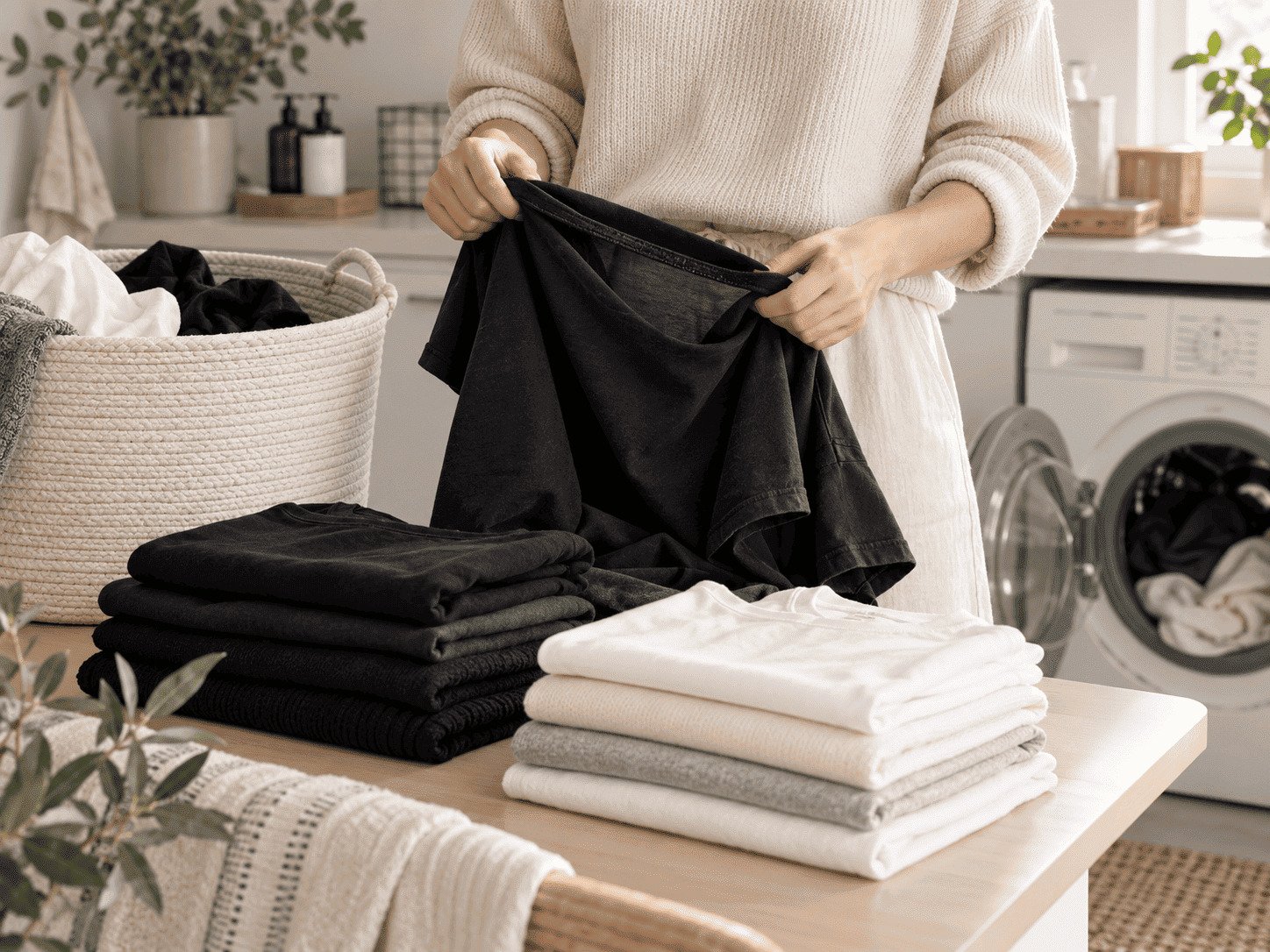
9. Keep Your Clothes and Accessories Looking Fresh
Even the best accessories cannot completely improve an outfit when the clothing itself looks neglected.
Wrinkles, loose buttons, visible stains, damaged hems, and lint can make everyday pieces appear less polished.
Taking care of your wardrobe is one of the most practical ways to improve your appearance without buying more clothes.
Follow the care instructions
Different fabrics require different care. Check the garment’s care label before washing, drying, ironing, or steaming it.
Some materials tolerate regular machine washing, while others need gentler handling.
Avoid assuming that every item should be washed in the same way. Excessive heat, unsuitable detergents, and incorrect drying methods can damage certain fabrics.
Oxfam’s guide to choosing and caring for clothing explains why reading care labels, repairing garments, and keeping clothes in use matter when building a more responsible wardrobe.
Create a simple outfit-preparation routine
Before wearing an outfit, take a few minutes to check:
- Is the clothing clean?
- Does it need ironing or steaming?
- Are there visible stains?
- Are buttons secure?
- Are seams and hems intact?
- Do the shoes need cleaning?
- Is the handbag free from unnecessary clutter?
A lint roller can help remove loose fibers from clothing. A small clothing brush may be useful for suitable fabrics. A steamer or iron can help remove wrinkles when the garment’s care instructions allow it.
Repair rather than replace
A missing button, loose seam, or small hem problem does not always mean you need a new item.
Repairing clothes can help you continue wearing pieces that already fit your wardrobe and personal style.
A Personal-Style Story: A More Polished Look Without Shopping
Before a busy morning, I once put together a simple outfit—black trousers, a plain top, and everyday flats—and felt that it looked unfinished. I was tempted to change into something new, but I took a minute to wipe the shoes, remove lint from the trousers, steam the top, and switch to a handbag that held its shape. I also added small earrings. The clothes themselves had not changed, but the outfit looked cleaner and more coordinated. That experience is a useful reminder that caring for your clothes and accessories can make as much difference as buying new ones.
This approach fits naturally with minimalist fashion. Instead of constantly replacing clothes, you maintain the pieces you already enjoy wearing.
How to Look Expensive and Classy on a Budget
You do not need to purchase every accessory mentioned in this article. A better approach is to identify which items would make the biggest difference to your existing wardrobe.
Start by looking at the clothes you wear most often.
If you regularly wear jeans and plain tops, a versatile belt and a structured everyday bag may be more useful than statement jewelry.
If you mostly wear dresses, simple earrings, a watch, and comfortable shoes may offer more styling options.
The key is to choose accessories based on your actual outfits rather than buying them individually because they look attractive in a store.
Build a small collection of useful accessories
Here is a practical starting point:
| Accessory | What to look for | Why it is useful |
|---|---|---|
| Simple earrings | Small hoops or studs | Work with everyday outfits |
| Necklace | Delicate chain or pendant | Complements plain tops |
| Belt | Black or brown neutral | Adds structure |
| Handbag | Simple, versatile shape | Completes casual and smart outfits |
| Watch | Clean, classic design | Adds a subtle detail |
| Shoes | Comfortable, neutral style | Works with multiple clothing combinations |
| Sunglasses | UV-protective classic frame | Practical and stylish |
You can build this collection gradually. There is no reason to buy everything at once.
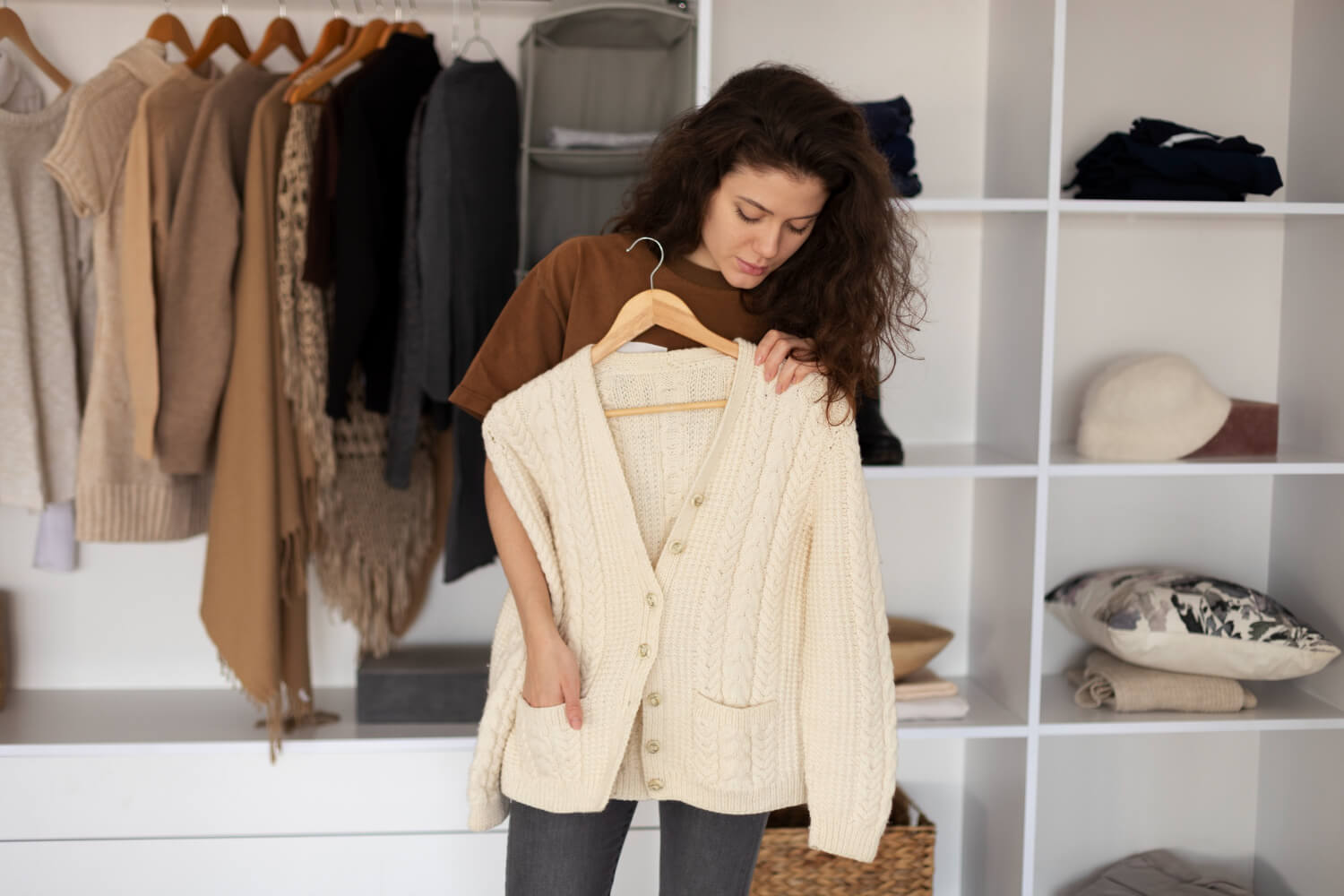
Shop your wardrobe first
Before purchasing anything, try these steps:
- Put together three outfits using clothes you already own.
- Identify which accessories could work with all three.
- Check whether you already have similar items.
- Make a short list of genuine wardrobe gaps.
- Set a spending limit before shopping.
This approach also supports more intentional shopping. For additional guidance, read how to build a minimalist wardrobe on a budget.
A useful accessory should work with several items, not just one outfit.
Common Mistakes That Can Make an Outfit Look Less Polished
When learning how to make a basic outfit look better, it is just as important to understand what to avoid.
1. Wearing Too Many Accessories
Several statement pieces can compete with one another. Choose one main accessory and let the rest support it.
2. Buying Items Only Because They Look Expensive
A designer-inspired accessory is not automatically versatile. Consider whether it works with your actual wardrobe before spending money.
3. Ignoring Clothing Fit
A beautiful handbag cannot compensate for trousers that constantly need adjusting or a shirt that pulls across the buttons.
4. Choosing Uncomfortable Shoes
Shoes that cause discomfort can affect how naturally you walk and carry yourself. Choose practical footwear that suits your daily activities.
5. Overmatching Everything
Your shoes, handbag, belt, and jewelry do not have to match perfectly. A coordinated color palette usually feels more natural than identical accessories from head to toe.
6. Following Every Fashion Trend
Trend-driven accessories may look exciting initially but can become difficult to style later. Choose pieces that suit your personal preferences and work across different seasons.
7. Forgetting Basic Maintenance
Dirty shoes, wrinkled clothing, loose threads, and damaged bags can make an outfit appear unfinished. Regular care is often more useful than buying another accessory.
A Simple Formula for an Expensive-Looking Minimalist Outfit
If you are unsure where to begin, use this easy styling formula:
One well-fitted basic + one structured accessory + one subtle detail + clean shoes.
For example:
- White cotton T-shirt.
- Dark straight-leg jeans.
- Tan structured handbag.
- Simple gold earrings.
- Brown belt.
- Clean neutral flats.
You can adapt this formula to different seasons and occasions.
For a casual weekend
For an easy look, wear a neutral sweater with straight-leg jeans, simple sneakers and a crossbody bag. Add small earrings if you want a little extra detail.
For a workday
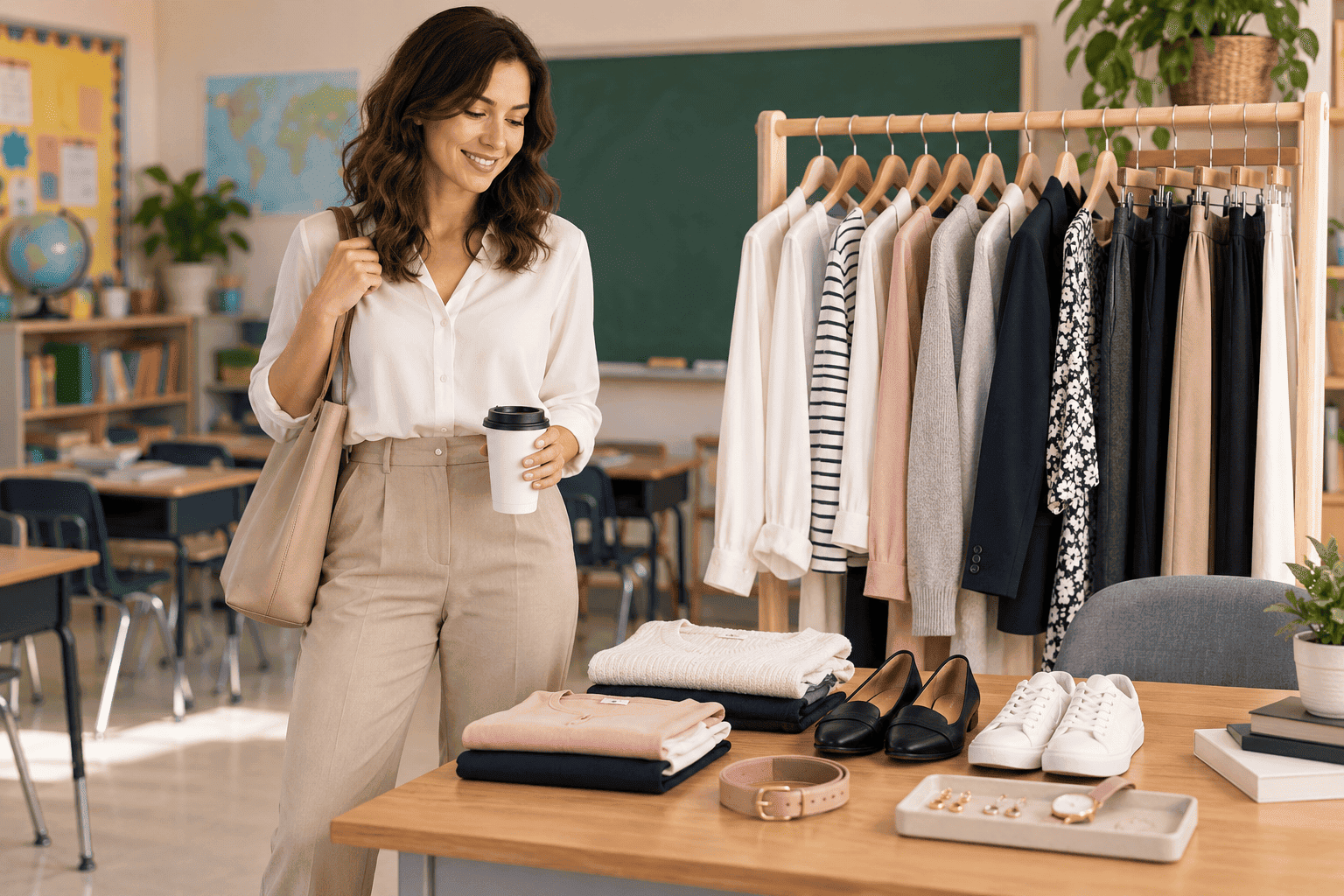
Try tailored trousers, a simple blouse, loafers, a structured handbag, and a classic watch.
For a dinner outing
Choose a simple black dress, understated jewelry, comfortable heels or flats, and a small shoulder bag.
For warmer weather
For a breezy outfit, wear linen trousers with a lightweight top, simple sandals, sunglasses and a practical tote.
The same basic styling principles work across many clothing combinations. You do not need an entirely separate wardrobe for every occasion.
If you enjoy changing outfits with the seasons while keeping your collection manageable, see these seasonal minimalist outfit ideas.
Frequently Asked Questions
How can I make a cheap outfit look expensive?
Focus on fit, condition, and coordination. Wear clean, wrinkle-free clothes, choose accessories that complement your outfit, and keep your color combinations simple. A well-maintained outfit with a few thoughtful details can look polished without a large budget.
What accessories make an outfit look expensive?
Structured handbags, simple jewelry, classic belts, elegant watches, clean shoes, and understated sunglasses can all create a more refined appearance. Choose accessories that work with several outfits instead of purchasing pieces for individual occasions.
How do I accessorize a basic outfit without overdoing it?
Start with one main accessory, such as a handbag, necklace, or pair of earrings. Add one or two smaller details if they complement the outfit. If several accessories compete for attention, remove one and see whether the combination looks more balanced.
Can I look expensive without wearing designer brands?
Yes. Designer labels are not necessary for a polished appearance. Clothing fit, good maintenance, thoughtful color combinations, and versatile accessories often matter more to the overall look than visible brand names.
What colors make outfits look more sophisticated?
Neutrals like black, navy, cream, white, beige, gray, and brown work together, so outfits come together with little effort. However, no color automatically makes clothing look expensive. The combination, fabric condition, fit, and personal styling all contribute to the final appearance.
How many accessories should I wear with a basic outfit?
There is no fixed number. A useful starting point is two or three complementary accessories, such as earrings, a watch, and a handbag. You can add more if the pieces are subtle and the outfit remains balanced.
Are gold or silver accessories better for minimalist outfits?
Both work well. Gold looks warm and inviting, whereas silver is cooler and more low-key. Choose whichever you enjoy wearing and which complements the colors and finishes in your wardrobe. You can also combine the two.
How can I make my old clothes look more stylish?
Start by cleaning, pressing, and checking the condition of your clothes. Experiment with different tucks, sleeve folds, belts, jewelry, and shoe combinations. You may discover several new outfits without purchasing anything.
Conclusion
Making a basic outfit look expensive is less about spending more and more about making thoughtful choices. A well-fitted shirt, clean shoes, a simple necklace, or a versatile handbag can change the way an everyday outfit comes together.
The best part is that these styling habits work naturally with a minimalist wardrobe. You can enjoy more combinations, get greater use from your existing clothes, and avoid buying accessories that rarely leave the closet.
Start with one outfit you already love. Check its fit, choose an accessory that complements it, and make sure everything looks clean and well maintained. Small changes can make getting dressed feel easier and more enjoyable.
What simple change could you make to your everyday outfit today to give it a more polished look?