
1. Introduction
Why a Seasonal Minimalist Wardrobe Matters
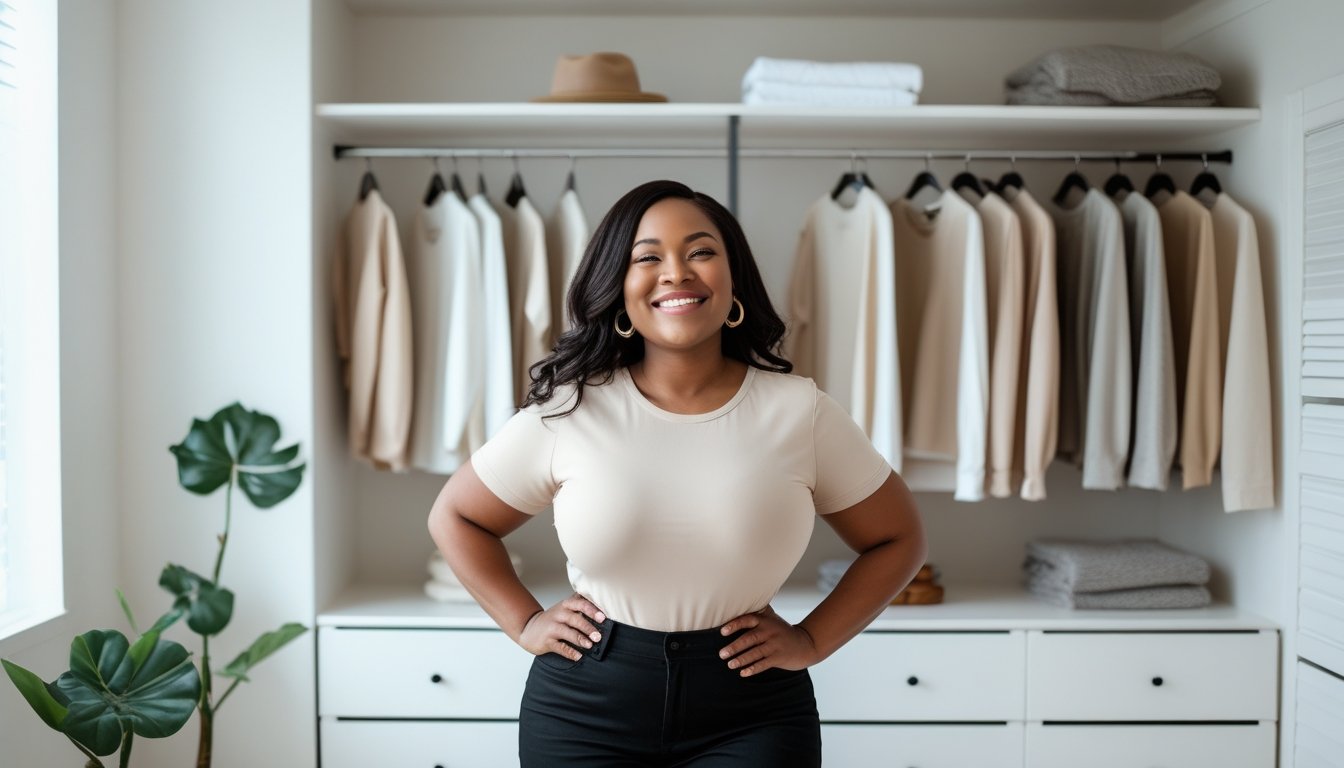
Creating a minimalist wardrobe that works for all seasons is one of the best ways to simplify your life. Many people think minimalism means owning very few clothes, but the real goal is owning clothes that work for you, not against you. When your wardrobe is organized around the weather and your lifestyle, choosing an outfit becomes quick and stress-free.
My Personal Experience With Seasonal Minimalism
A few years ago, I had a closet full of clothes but still felt like I had “nothing to wear.” Every morning felt frustrating because my clothes didn’t match the season or my routine.
When I shifted to a seasonal minimalist wardrobe, things changed:
- I stopped wasting time choosing outfits.
- I saved money by reusing versatile pieces.
- I finally felt confident with fewer but better clothes.
This experience showed me that a minimalist wardrobe is not just about fashion — it’s about peace of mind.
How a Seasonal Minimalist Wardrobe Helps You
A seasonal wardrobe ensures:
- Your outfits match the weather
- You reuse timeless pieces instead of buying new ones constantly
- You avoid clutter and closet overwhelm
- You save money by investing in pieces that last
- You stay stylish all year without owning hundreds of clothes
New to Minimalism? Start Here
If you’re just beginning your minimalist fashion journey, here’s a helpful guide from our website:
https://www.fashionpassionusa.com/how-to-build-a-minimalist-wardrobe-on-a-budget/
This will give you a basic understanding before you create seasonal outfits.
2. What Makes a Minimalist Wardrobe Perfect for All Seasons?
A minimalist wardrobe becomes powerful when it works for you every month of the year. Instead of switching your entire closet each season, you rely on a strong base of versatile clothes that adapt to different temperatures. This is what makes minimalist fashion both practical and stylish.
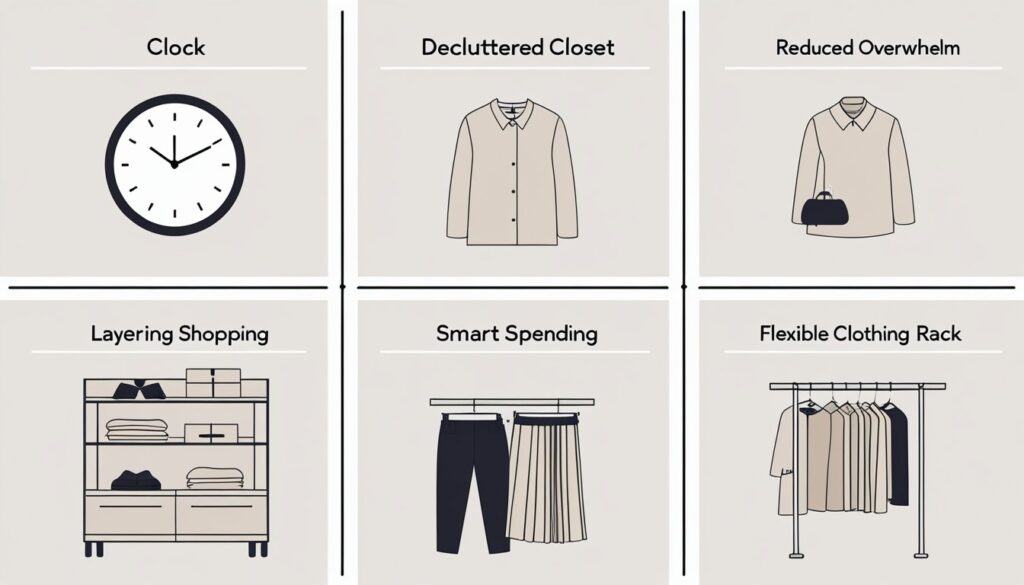
1. It Saves Time Every Single Day
One of the biggest struggles people face is figuring out what to wear each morning. When your wardrobe is seasonal and minimalist:
- You already know what pieces go together
- You don’t spend time digging through clothes you don’t need
- You avoid “what should I wear?” stress
A well-planned wardrobe gives you clarity so you can get ready faster with fewer decisions.
2. It Reduces Closet Overwhelm
Many of us wear the same 20% of our clothes most of the time. The rest stays untouched and adds clutter. A seasonal minimalist wardrobe cuts out:
- Duplicates
- Unnecessary trendy pieces
- Clothes that don’t fit your lifestyle anymore
When everything in your closet has a purpose, your space feels cleaner and lighter.
3. It Works Better With Changing Weather
Every season has its own needs:
- You need breathable outfits in summer
- You need layers in winter
- You need flexible pieces in spring
- You need warm tones and cozy fabrics in fall
A seasonal minimalist wardrobe prepares you for all weather conditions without buying new clothes every few months.
4. It Saves Money by Encouraging Smart Choices
Instead of buying seasonal fashion trends that fade quickly, minimalism teaches you to choose:
- Better fabrics
- Timeless styles
- Long-lasting colors
This doesn’t just save money — it helps you build a more stable and stylish wardrobe long term.
You can learn more about keeping your wardrobe financially smart here:
https://www.fashionpassionusa.com/minimalist-shopping/
5. It Keeps Your Style Consistent Throughout the Year
Minimalism helps you create a signature style that looks good in:
- Warm weather
- Cold weather
- Everyday life
- Work settings
- Casual days
You don’t have to reinvent your style for every season. You simply adjust layers, fabrics, and colors. Last winter, I realized how helpful a minimalist foundation was. I wore the same high-quality neutral turtleneck in winter under coats, and when spring arrived, I paired the same turtleneck with lighter trousers. One piece worked across multiple seasons — proof that minimalism saves time and space.
6. It Helps You Build a Wardrobe That Grows With You
A seasonal minimalist wardrobe adapts when:
- Your lifestyle changes
- You switch jobs
- You move to a different climate
- You become more fashion-conscious
This flexibility makes it ideal for long-term use.
3. What Is a Seasonal Minimalist Wardrobe? And How Is It Different From Your Daily Messy Wardrobe?
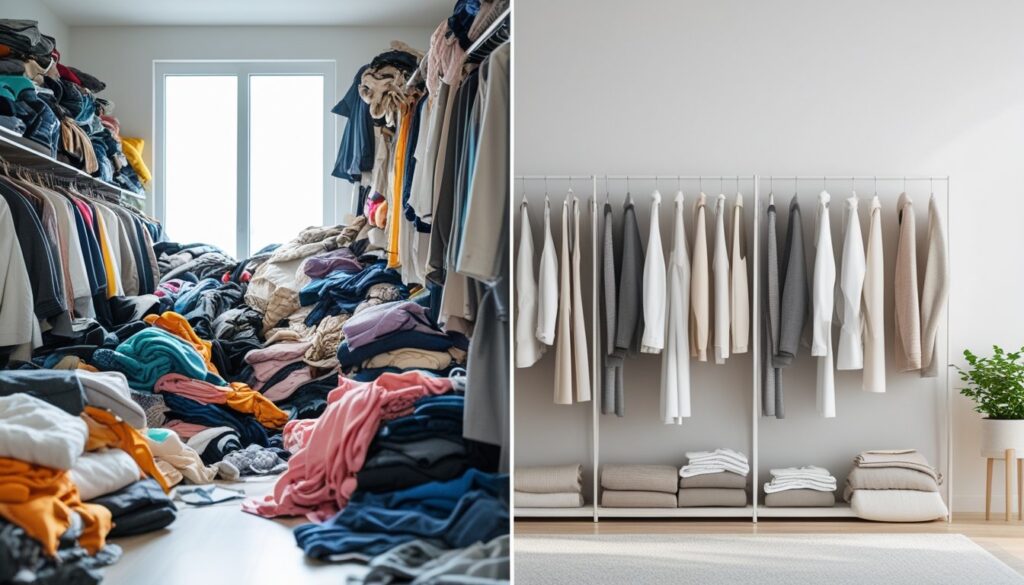
A seasonal minimalist wardrobe is a carefully selected collection of clothes designed to work for the specific weather and lifestyle needs of each season. Instead of overflowing closets or random trendy pieces, you focus on timeless items that match easily and last longer. The goal is not to own fewer clothes just for the sake of minimalism — it’s to own the right clothes that make life simple.
What Exactly Is a Seasonal Minimalist Wardrobe?
When adapting to a Seasonal Minimalist Wardrobe, you simply rotate in pieces that match the climate while keeping your core essentials the same.
For example:
- Lightweight linen tops for summer
- Cozy knit sweaters for fall
- Warm coats and layering items for winter
- Light jackets and transitional pieces for spring
You are not buying new clothes every season. You’re only shifting what you already own.
How Is It Different From Your Daily Messy Wardrobe?
A regular wardrobe usually looks like:
- A lot of clothes, but nothing truly matches
- Random impulse buys
- Trendy items that lose value quickly
- Clothing that only works for one season
- Clothes you keep just in case you’ll wear them
This leads to overwhelm, clutter, and confusion when choosing outfits.
In comparison, a seasonal minimalist wardrobe is:
- Intentional
- Organized
- Calm
- Weather-friendly
- Mix-and-match ready
- Easier to manage and maintain
It creates consistency in your style and eliminates the “I don’t know what to wear” problem.
Why Seasonal Minimalism Works Better
Here’s why people love seasonal minimalist wardrobes:
- They help you focus on clothes that truly fit your lifestyle.
- You stop wasting money on seasonal trends.
- You get dressed faster with fewer decisions.
- You feel more confident because your outfits always match the weather.
- Your wardrobe stays clean and clutter-free.
When I used to shop without planning, I tend to the mouth-watering offers of famous clothing brands, I often bought summer dresses in winter sales or heavy sweaters during spring discounts. These pieces stayed unused for months.
But after switching to a seasonal minimalist system, I only bought what I needed for the current weather — and suddenly, every purchase made sense. My closet started feeling lighter, and so did my mind.
4. How to Build a Minimalist Wardrobe for Every Season (Beginner-Friendly Steps)
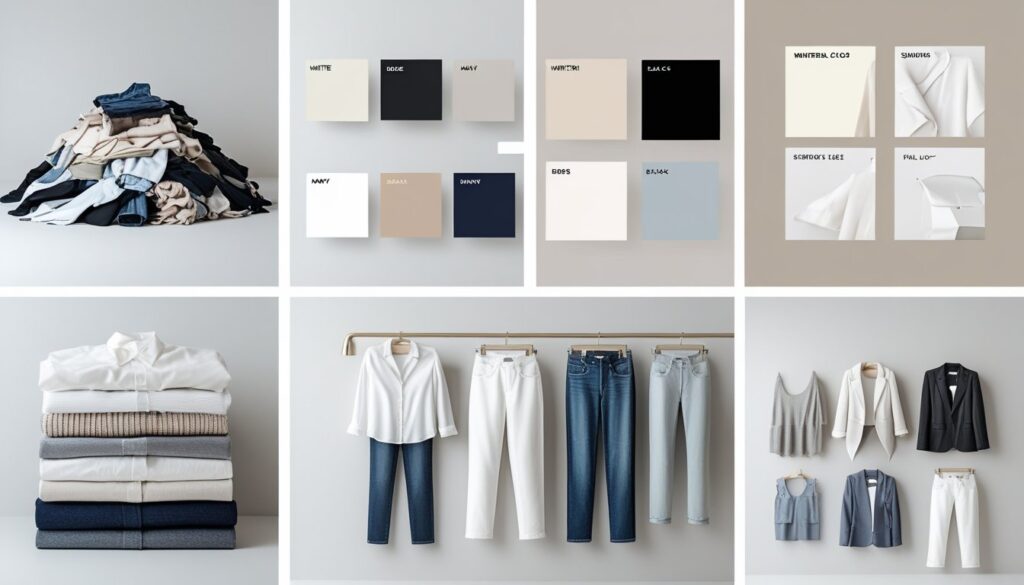
Building a minimalist wardrobe for all four seasons may feel overwhelming at first, but once you understand the steps, the process becomes simple and enjoyable. I had the same experience. My wardrobe was packed with clothes, and some still had their tags on. It felt like a huge pile of things I never actually wore. But then the goal is to create a closet that works for you year-round, saves time, and reduces clutter. Below is a beginner-friendly guide that helps you shape a wardrobe you’ll love in every season.
Step 1: Declutter What You Don’t Need Anymore
Before adding new pieces, you must remove the ones that are holding your wardrobe back. Most people have clothes that no longer fit, suit their style, or work for the climate.
Declutter using these simple questions:
- Have I worn this in the last few days or few months?
- Does it fit me well right now?
- Does it match at least three outfits?
- Is it comfortable for my daily lifestyle?
If the answer is no, let it go.
Maybe you love fashion, maybe shopping is a habit, or maybe this is the wardrobe you’ve kept tucked away for years. It might include old college outfits, maternity wear, or pieces from different stages of life. And if you feel emotionally attached to some of them, take a moment to relax and let yourself cry.
Why decluttering matters
Decluttering gives you clarity. You start fresh with only things that add value to your wardrobe.
Step 2: Choose a Neutral Color Palette
Choosing the right colors helps your outfits mix and match effortlessly. Minimalism thrives on simplicity, and your color palette makes a huge difference.
Recommended neutral colors:
- White
- Black
- Beige
- Cream
- Navy
- Grey
You can also add 1–2 accent colors depending on your style, such as olive, blush, or camel.
Why this works
Neutrals work for every season, and they make your wardrobe timeless. You don’t need to chase seasonal color trends every year.
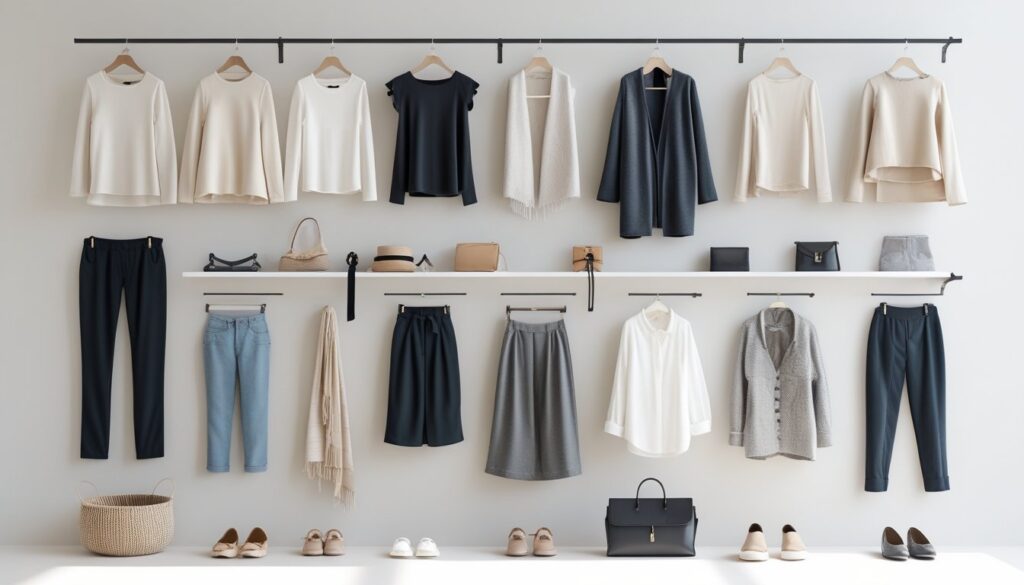
Step 3: Build a Strong Foundation of Essentials
These are the pieces you’ll wear across all seasons. They never go out of style and work with multiple outfits.
Your all-season essentials may include:
- A good pair of jeans
- A white and black T-shirt
- A button-down shirt
- Comfortable trousers
- A blazer
- Neutral sweaters
- A simple dress
- A high-quality coat
- Basic tank tops
- Minimal shoes like white sneakers or loafers
For minimalist wardrobe formulas, you can explore:
https://www.fashionpassionusa.com/master-the-70-30-rule-for-minimalist-wardrobe/
Step 4: Select Seasonal Add-Ons
Each season needs a few special pieces depending on the climate.
Summer add-ons
- Linen tops
- Shorts
- Light dresses
- Cotton shirts
Winter add-ons
- Wool sweaters
- Thermal tops
- Coats
- Boots
Spring add-ons
- Light jackets
- Cardigans
- Transitional dresses
Fall add-ons
- Knit tops
- Warm-toned layers
- Scarves
This way, you adjust your wardrobe without buying a whole new set of clothes.
Step 5: Prioritize Quality Over Quantity
A key part of minimalist fashion is choosing long-lasting pieces. Fast fashion might seem affordable, but you end up buying again and again.
Look for:
- Good stitching
- Natural fabrics
- Solid colors
- Timeless cuts
High-quality pieces last multiple seasons and actually save money in the long run.
Step 6: Make a Seasonal Rotation System
Once you have your essentials and add-ons, rotate your wardrobe every three to four months.
A simple seasonal rotation process:
- Move off-season clothes to a storage box or separate shelf.
- Keep only what you need for the current weather.
- Bring out seasonal items when the climate changes.
- Check what needs replacing.
This keeps your closet fresh and clutter-free.
Step 7: Create Ready-To-Go Outfit Formulas
An outfit formula is a simple combination you can repeat in different ways. This helps you get dressed faster.
Some minimalist outfit formulas:
- Jeans + T-shirt + blazer
- Linen top + trousers + sandals
- Knit sweater + jeans + boots
- Dress + cardigan + loafers
These formulas work across seasons with just a few fabric and layering changes.
Step 8: Shop Mindfully and With Intention
Minimalism doesn’t mean you never shop. It means you shop with purpose.
Before buying something new, ask yourself:
- Does this fit my color palette?
- Will I wear it in more than one season?
- Can I style it with at least five pieces I already own?
When I first switched to seasonal minimalism, I noticed I kept buying new clothes because I “didn’t have anything to wear.” But the real problem wasn’t the lack of clothes — it was the lack of clarity.
Once I decluttered and created a system based on seasons, I started using 80% of my wardrobe regularly instead of just 20%. Getting dressed became quick and stress-free.
A detailed capsule wardrobe explanation from The Everygirl:
https://theeverygirl.com/how-to-create-a-capsule-wardrobe/
Step 7: Create Ready-To-Go Outfit Formulas
An outfit formula is a simple combination you can repeat in different ways. This helps you get dressed faster.
Some minimalist outfit formulas:
- Jeans + T-shirt + blazer
- Linen top + trousers + sandals
- Knit sweater + jeans + boots
- Dress + cardigan + loafers
These formulas work across seasons with just a few fabric and layering changes.
Step 8: Shop Mindfully and With Intention
Minimalism doesn’t mean you never shop. It means you shop with purpose.
Before buying something new, ask yourself:
- Does this fit my color palette?
- Will I wear it in more than one season?
- Can I style it with at least five pieces I already own?
When I first switched to seasonal minimalism, I noticed I kept buying new clothes because I “didn’t have anything to wear.” But the real problem wasn’t the lack of clothes — it was the lack of clarity.
Once I decluttered and created a system based on seasons, I started using 80% of my wardrobe regularly instead of just 20%. Getting dressed became quick and stress-free.
A detailed capsule wardrobe explanation from The Everygirl:
https://theeverygirl.com/how-to-create-a-capsule-wardrobe/
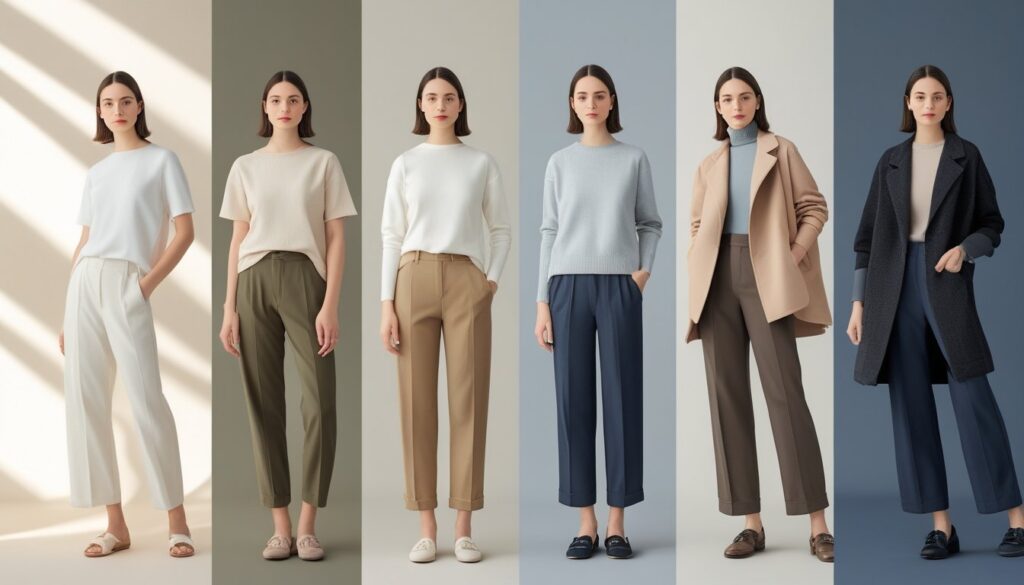
5. How Can You Dress for All Four Seasons with a Minimalist Approach?
Summer Outfit Combo
Summer is all about staying cool, and a minimalist outfit should reflect that. Pair a breathable cotton or linen top with lightweight trousers or shorts for maximum comfort. Neutral colors like white, beige, and soft pastels help you stay cool under the sun. Finish the look with sandals and minimal accessories to keep things airy and effortless.
Fall Outfit Combo
In the cool weather, layering is essential for keeping you warm. Start with your classic base, such as a fitted tee or tank top, and add a light cardigan or denim jacket. Earthy tones like brown, olive, and camel pair well with the season. Complete the outfit with comfortable loafers or ankle boots for a polished, cozy look.
Winter Outfit Combo
Winter calls for warmth without the bulk. Begin with a thermal or long-sleeve top and pair it with tailored trousers. Add a structured wool coat and a scarf for insulation. Stick to deeper tones like charcoal, navy, or black to create a grounded minimalist style. Finish with warm boots and simple gloves to stay comfortable in cold temperatures.
Spring Outfit Combo
Spring is the perfect time to bring freshness back into your wardrobe. Use your basic outfit foundation and layer it with a light trench coat or pastel cardigan. Fabrics like cotton and soft knits keep you comfortable as temperatures shift. Neutral sneakers or ballet flats complete the look and give it a bright, minimal feel suited for the season.
6. Conclusion — Building a Year-Round Minimalist Wardrobe Is Easier Than You Think
Creating a seasonal minimalist wardrobe does not mean buying expensive clothes or following strict fashion rules. It simply means choosing pieces that work for your lifestyle and make you feel confident in any weather. When you understand how each season affects your outfit choices, building a year-round wardrobe becomes stress-free and enjoyable.
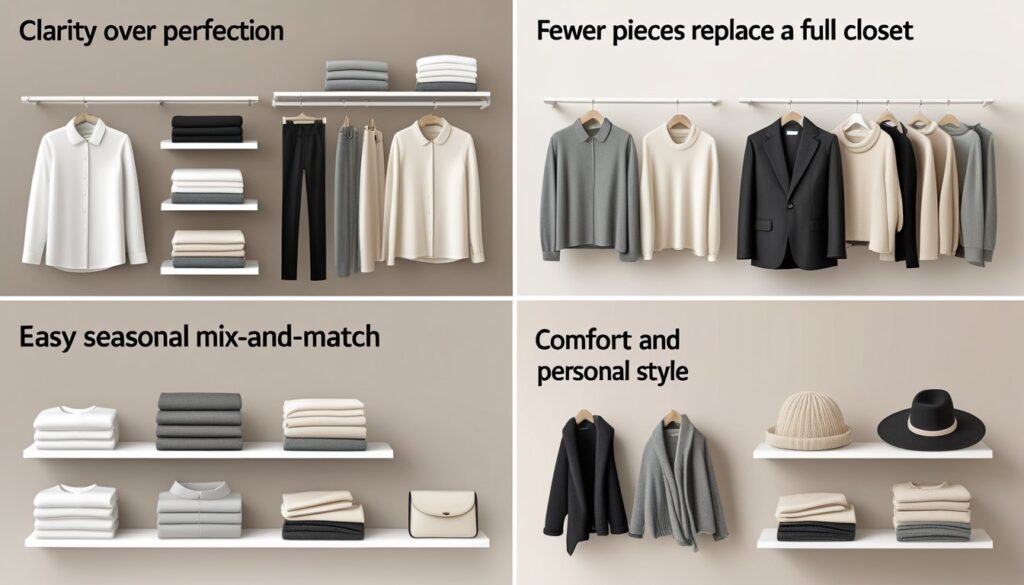
Key Takeaways to Remember
- Minimalism is about clarity, not perfection.
- A few well-chosen pieces can replace a full closet.
- Seasonal dressing becomes easier when your clothes mix and match.
- Comfort, weather, and personal style matter more than trends.
Why This Approach Works
A seasonal minimalist wardrobe gives you:
- Less decision-making each morning, which saves time and mental energy.
- More confidence, because you know everything in your closet fits your style.
- Better use of your budget, since you invest in pieces you actually wear.
- A cleaner, calmer wardrobe, without clutter or unused items.
A Gentle Final Thought
You don’t need to change your whole closet overnight. Start small. Maybe replace one trendy item with a timeless one, or create a tiny seasonal capsule with pieces you already own. Over time, these small steps build a wardrobe that feels uniquely yours.
Minimalist fashion is not about wearing less. It is about wearing what matters more.
FAQs
1. What is a seasonal minimalist wardrobe?
A seasonal minimalist wardrobe is a collection of versatile clothes designed to work for each season. Instead of buying new clothes every few months, you rotate a set of timeless essentials and seasonal add-ons that match the weather and your lifestyle.
2. How many pieces should I have in a seasonal minimalist wardrobe?
A seasonal minimalist wardrobe usually includes about 30–50 versatile pieces, covering tops, bottoms, outerwear, shoes, and accessories. You can also follow the Project 333 method, which limits you to 33 essential items. Both approaches help you create a wide range of outfits for all seasons without adding unnecessary clutter.
3. Can I still follow fashion trends in a minimalist wardrobe?
Yes! You can include small trendy items like scarves, accessories, or a seasonal shoe without compromising minimalism. The small details can enhance the way you look. The key is to maintain timeless essentials as the foundation.
4. How do I start a seasonal capsule wardrobe as a beginner?
Start by decluttering your closet and keeping only items you love and wear. Then, build core essentials for each season, add a few seasonal pieces, and create outfit formulas to maximize your wardrobe.
5. How do I mix and match clothes for multiple seasons?
Use a neutral color palette as your base and add seasonal layers or accessories. For example, a white shirt can work with shorts in summer, trousers in spring, or under a sweater in winter.
6. Is a minimalist wardrobe expensive?
Not necessarily. Buying high-quality, versatile pieces may seem like a bigger investment initially, but you save money long-term by avoiding constant purchases of trendy items. Budget-friendly minimalist shopping is also possible.
7. Can a minimalist wardrobe work for both work and casual life?
Yes. Core neutral pieces like trousers, blazers, shirts, and simple dresses can transition from office to casual outings. Seasonal add-ons like jackets, scarves, and shoes help adapt the look.
To read the full guide, head over to: Minimalist Business Wardrobe
8. What are the biggest mistakes beginners make with minimalist wardrobes?
- Buying too many trendy items instead of essentials
- Ignoring seasonal needs and fabrics
- Failing to declutter regularly
- Not creating outfit formulas
Avoiding these mistakes helps you enjoy a functional, stylish wardrobe all year.