1. Introduction: What Does It Mean to Declutter and Sell Clothes?
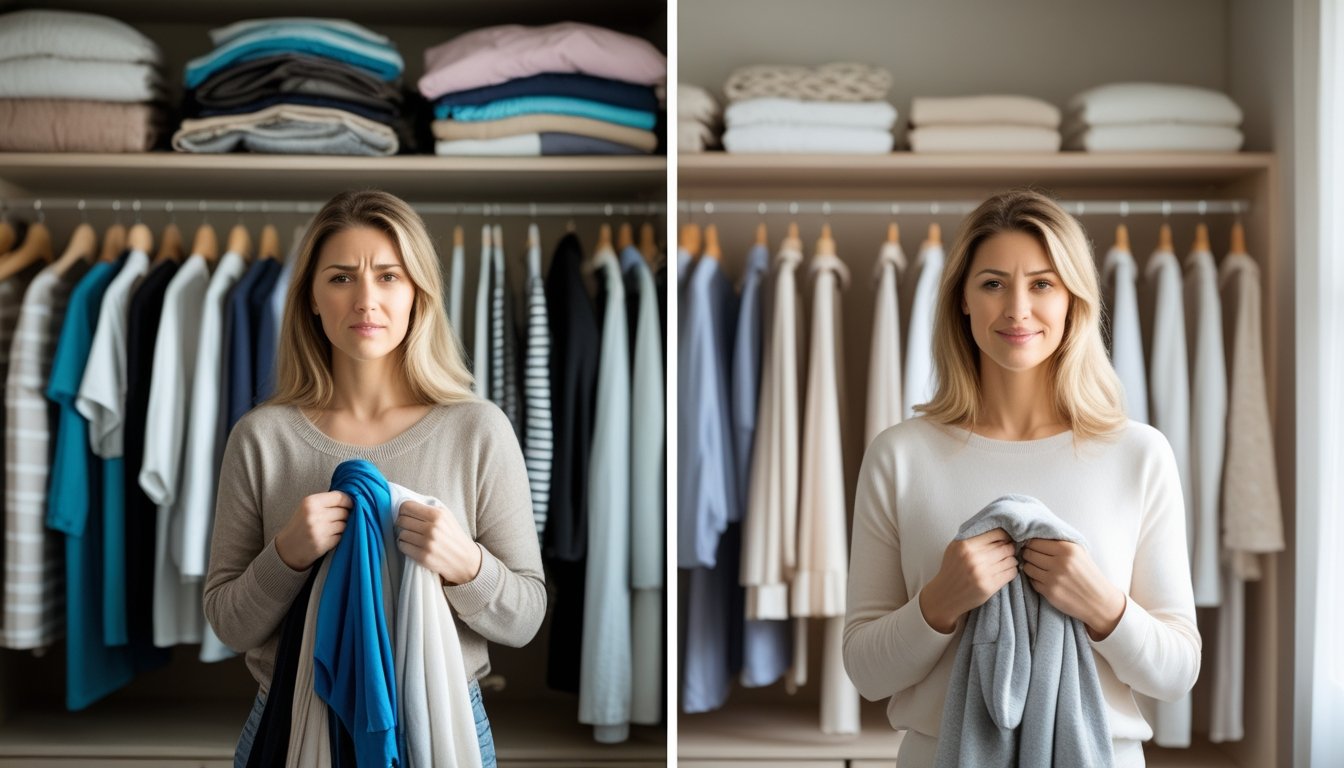
Having so many clothes but nothing fits you well or looks good on you is a common problem we all face most of the time. Maybe you kept a shirt from 2018 “just in case,” or a pair of jeans that no longer fit. A minimalist wardrobe isn’t just about owning fewer clothes — it’s about owning the right clothes that you love and wear often. Decluttering is freeing your space and freeing your mind.
But what happens next? Donating is great, but many of us would prefer to make money too. That’s where an app to sell used clothing becomes super useful. These apps turn your old wardrobe into cash while helping someone else find clothes they’re excited about.
So we’ll look at selling clothes online apps, explore the best reselling app for clothes, and help you find the best app to sell clothes after decluttering. I’ve gathered information from trusted guides and customer feedback, and my personal experience, so you’re getting real data, not fluff.
Put your cup of coffee down — we’re about to dive into the easiest way to refresh your minimalist wardrobe (and make money while doing it!).

2. Why Sorting and Selling Clothes Matters
Why should I declutter my wardrobe instead of just donating or throwing clothes away?
Decluttering does more than just clean your closet. It clears your head, boosts confidence, and gives value back to your hard‑earned money.
Here’s how selling old clothes helps:
- Extra Money in Your Pocket
Instead of donating clothes for free, you can list them on an app to sell used clothing and earn extra cash. For many people, this adds up faster than you think — some experienced resellers earn a full‑time side income from second‑hand clothes. - Less Waste, More Impact
The fashion industry generates a massive amount of waste each year. Selling preloved clothes extends their life and reduces environmental burden. - Clearer, Happier Closet Space
A minimalist wardrobe feels easier to manage. You see everything you own, wear more often, and spend less time deciding what to wear. Everything is in front of your eyes, and you can choose easily what to wear without being overwhelmed. - Boost to Confidence
There’s a confidence boost when you wear clothes that truly fit your style — not pieces gathering dust.
Imagine opening your closet every morning and seeing only clothes you actually love and wear. That’s the peace minimalism brings.
This is not just a passing trend; many people say they feel lighter and more organized after selling unused clothes and embracing a minimalist mindset. It’s not magic, just logic: more space, more clarity, less stress.
3. How Apps Can Help You Sort Clothes Efficiently
Can apps really help me organize my wardrobe?
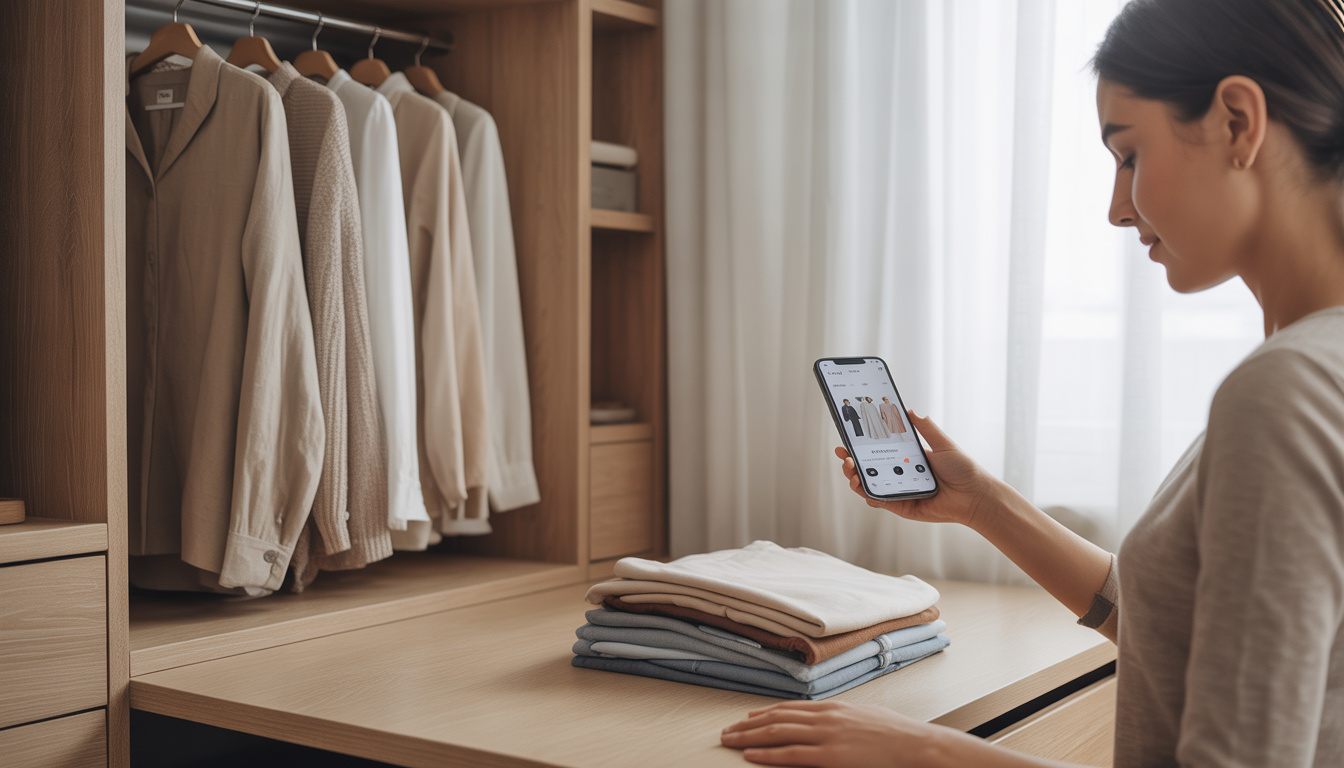
Short answer: Yes. These days, wardrobe management isn’t limited to sticky notes or piles on the floor. Modern apps combine simplicity with technology to make sorting and selling easier than ever.
Here’s how an app to sell used clothing can support you:
- Track what you own
Some apps let you catalog your clothes, so you know exactly what’s in your closet. - Suggest what to sell
Many apps provide insights based on what you haven’t worn in a long time. - List and sell in one place
You don’t need paper spreadsheets or a pile of photos on your phone — the app handles it.
Most people start with a small cleanout. For example, you might tackle one shelf at a time, scanning items you haven’t worn in a year and listing them in the app. That’s how simple it gets.
Here’s what typically happens:
- Take photos of your items
- Add simple descriptions
- Set prices
- Publish your listings
Some apps even recommend prices based on real demand and sales from other sellers — that’s smart selling, not guesswork.
Apps also streamline the selling process by:
- Offering prepaid shipping labels
- Managing buyer messages in the app
- Handling payments securely
This is a huge time saver versus selling through local classifieds or offline markets.
Apps don’t just help you sell — they help you make decisions faster so you can focus on designing a wardrobe that serves your life, not weighs it down.
4. Best Apps to Sort and Sell Clothes
Now for the fun part — the actual selling of clothes online, apps that help declutter your wardrobe, and earn money.
Below are some of the most trusted platforms available today, each with real features you can count on:
1. Poshmark
Best for: Broad fashion audience and branded items
Why it’s great:
- Easy listing and selling for clothes, accessories, and more
- In‑app social features help buyers discover your listings
- Prepaid shipping labels make sending items simple
Poshmark is one of the most popular resale apps for clothes, especially for fashion brands that want good exposure. Poshmark charges a flat fee — often around 20% on higher-priced items — but many sellers find the trade‑off worth it because of large buyer activity. You just have to list your items, share with buyers, and start earning. You can get the app from App Store/Play Store.
Poshmark had over 80 million users in 2025, mainly from the United States, Canada, Australia, and India. The platform also hosts more than 200 million items, making it one of the largest resale marketplaces for fashion. It works best for selling branded, designer, and premium clothing.
This app to sell used clothing makes the selling process very simple. Sellers get prepaid shipping labels, so there is no confusion about delivery. The app also has strong social features like Posh Parties and sharing, which help listings reach more buyers. Built-in tools such as offers, counter-offers, and bundle discounts make it easier to negotiate and close sales faster.
Poshmark is a great choice for casual sellers, influencers, and anyone who wants to turn unused clothes into real money without stress. The pricing is clear and easy to understand. For items sold under $15, the fee is a flat $2.95. For items priced at $15 or more, Poshmark takes a 20% commission.
People who use Poshmark regularly report that engagement grows over time as you actively share and refresh your listings.
2. Depop
Best for: Trendy, vintage, and unique pieces
Why it’s great:
- Social, Instagram‑style interface
- Appeals to Gen Z, Millennials, and fashion‑forward shoppers
- Easy to list and share your shop
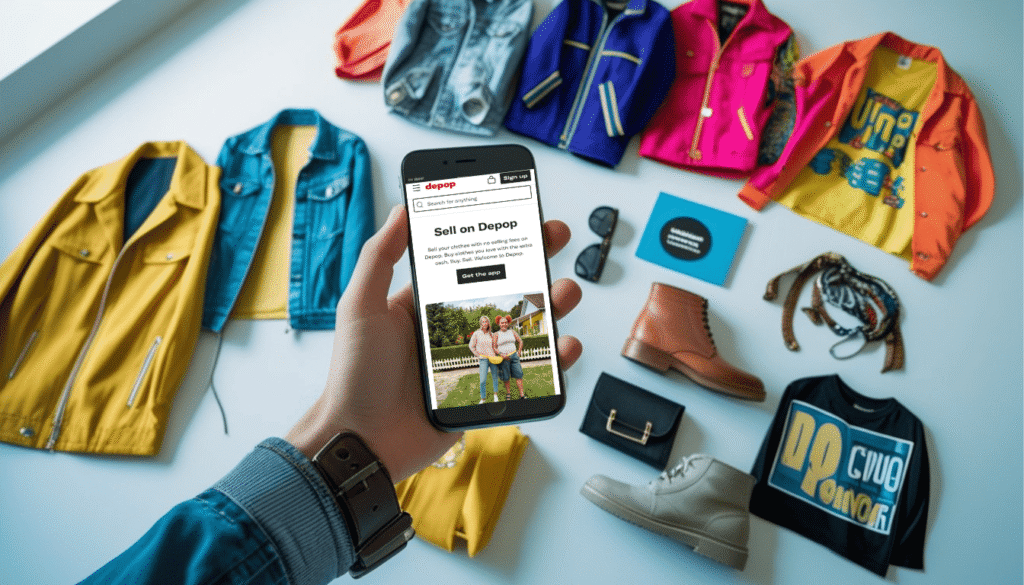
Depop is a resale app where fashion and creativity come together. In 2025, it had around 43.5 million registered users and more than 49 million items listed on the platform. The app feels very similar to Instagram; you scroll through styles, like what you see, and buy directly, which makes shopping feel fun and natural.
Depop works especially well for unique pieces like vintage clothing, indie fashion, and bold styles that help you stand out. If your clothes have personality or a story, this is a great place to sell them. Listing items is simple. You can upload up to eight photos, write a short description, set your price, and publish your listing in just a few minutes.
One big advantage of Depop is that it no longer charges sellers a traditional selling fee on new listings in the US and UK. Instead, the marketplace fee is paid by the buyer, which means sellers keep a larger portion of their earnings. Sellers only pay standard payment processing fees, which are 3.3% plus $0.45 per transaction in the US. In other regions, the total cost is around 10% plus processing fees.

3. ThredUP
Best for: Hands‑off selling
Why it’s great:
- Order a “Clean Out Kit” and send clothes to them
- ThredUP does photography, listing, and pricing
- Good for busy sellers or bigger bundles
ThredUp works like a hands-free closet clean-out service. You order a “Clean Out” bag, which costs about $14.99 for the standard option or around $34.99 for the premium version. Once it arrives, you fill it with good-quality clothes and send it back. After that, ThredUp takes care of everything — checking the items, taking photos, creating listings, handling shipping, and managing returns.
This platform is best for higher-value brands, including designer and upscale clothing. Some items can earn sellers up to around 80 percent of the final selling price, depending on the brand and condition. There is no listing fee beyond the cost of the clean-out bag. You get paid only after your items sell, and all platform fees are applied.
If some items do not sell, you still have options. You can pay a small fee to have them returned, or ThredUp can lower the price, donate the items, or recycle them responsibly. It’s a good choice for anyone who wants to declutter without spending time listing and managing sales themselves.ThredUP doesn’t require you to take photos or set prices — they handle it all for you, which works especially well if you want to sell clothes without spending hours uploading listings.
4. Vinted
Best for: Fee‑free selling
Why it’s great:
- No seller fees (you keep the full price)
- Simple listing process
- Motivated buyers focused on second‑hand fashion
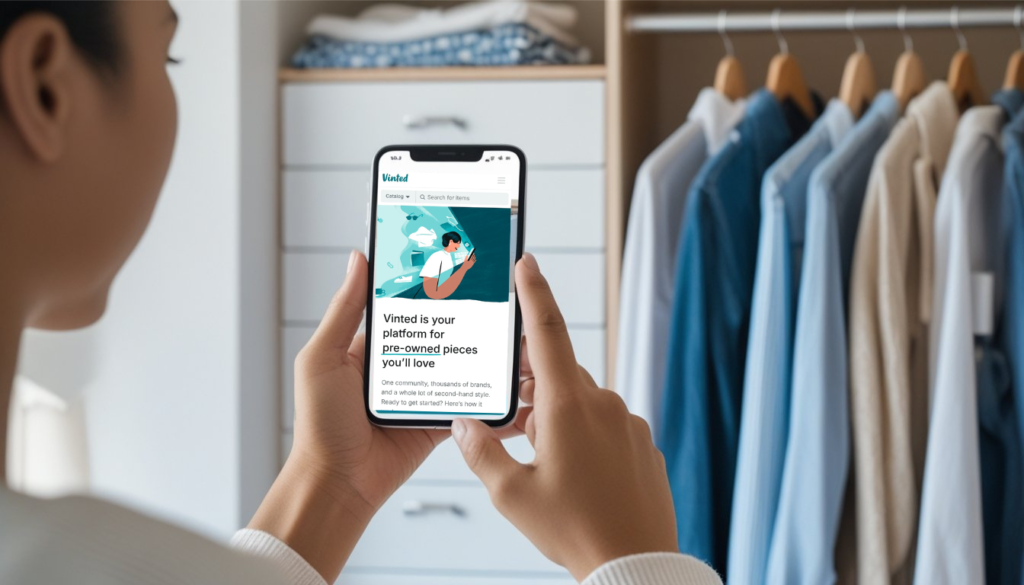
Vinted is a great choice for anyone who wants to sell used clothes without giving away a part of their earnings. The platform has over 105 million users worldwide, and it does not charge sellers any listing or commission fees. This means you keep 100 percent of the money buyers pay for your items.
Instead of charging sellers, Vinted places the fees on buyers. Buyers usually pay a small protection fee, around 5 percent of the item price plus a fixed amount, along with shipping costs. This setup makes selling feel more transparent and stress-free for sellers.
Vinted also offers optional promotion tools if you want more visibility. Features like item boosts or wardrobe spotlight cost a small fee and can help your listings reach more people faster. These tools are completely optional, so you can sell without spending anything extra.
This app works best for casual sellers who want a simple experience and do not want to spend too much time managing listings. If your goal is to declutter your wardrobe, sell items easily, and keep all your profits, Vinted is one of the easiest and most seller-friendly options available.
Vinted has become extremely popular because you get to keep all of your earnings. It doesn’t charge sellers, making it one of the most cost‑efficient app to sell used clothing — especially if you’re selling everyday pieces.
5. Mercari
Best for: Casual sellers who want flexibility
Why it’s great:
- Easy to list different categories, including clothes
- Low fee structure (~10%)
- Shipping tools built into the app
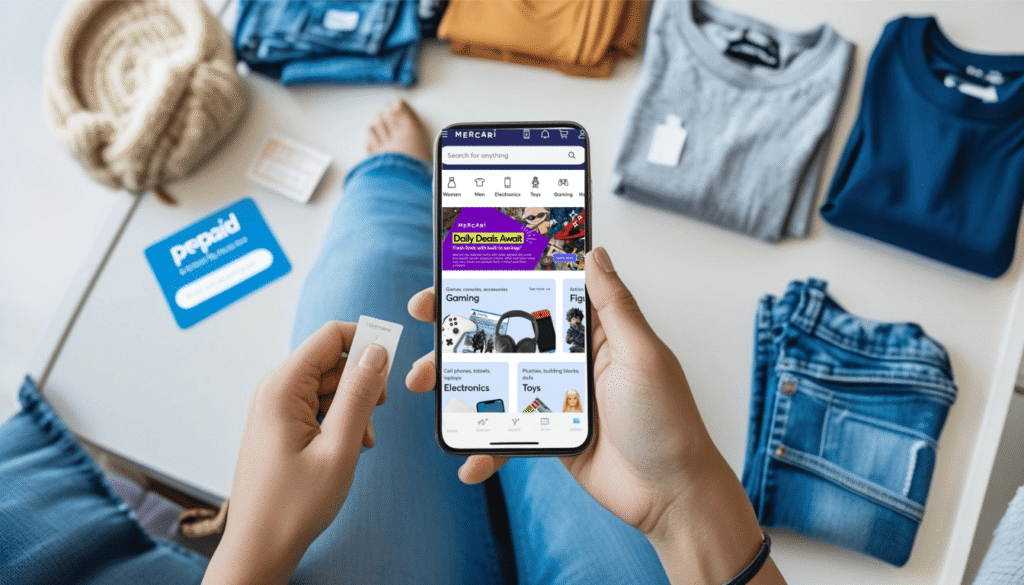
Mercari is a large peer-to-peer resale platform that makes selling clothes simple and hassle-free. It is a good option if you want to list items quickly without dealing with complicated steps. Sellers pay a flat 10 percent fee based on the total sale amount, which includes the item price and the shipping cost paid by the buyer.
In addition to the seller fee, buyers pay a Buyer Protection fee of about 3.6 percent on the same total. This fee helps cover secure payments and customer support. Mercari does not charge any listing fees, so you can upload items without paying upfront.
The app is designed mainly for mobile users, which makes listing and managing sales easy from your phone. Sellers can also choose prepaid shipping labels, removing the guesswork from shipping. When it comes to getting paid, standard direct deposit is free, while instant payouts are available for a small fee of around $3.
Overall, Mercari is a practical choice for casual sellers who want flexibility, clear fees, and a smooth selling experience without unnecessary complications.
5. Tips to Maximize Selling Success
How can I sell my clothes faster and for more money?
Selling clothes online via apps isn’t just about posting and waiting. The sellers who do best follow good strategies, and so can you.
Here are practical tips that really work:
1. Take Good Photos
Buyers scroll fast. Natural light, clear backgrounds, and close‑ups help your listing stand out. High‑quality photos often translate into faster sales.
2. Write Honest Descriptions
Mention size, brand, measurements, condition, and a bit of story if relevant (e.g., “Only worn twice on special occasions”). Transparency builds trust and reduces returns.
3. Use Multiple Apps
Some sellers list on more than one app at the same time. For example, if an item doesn’t sell on Vinted, they also post it on Depop or Poshmark.
4. Price Smartly
Check similar items in the app before pricing. If the current listings for a similar shirt are around $20–$25, try starting there.
5. Refresh Listings
Updating your photos or descriptions can bump your visibility back into search results.
6. Bundle Items
Offering bundle discounts can attract buyers looking for a deal and help you clear more items at once.
These methods aren’t random — they’re strategies experienced resellers share because they help listings actually sell, not just sit unnoticed. You’ll find similar advice on marketplaces like Poshmark and Vinted from seller communities.
6. How to Decide What to Sell or Keep
How do I know which clothes belong in my minimalist wardrobe?
Sorting is emotional sometimes. But here’s a simple method many minimalists use that actually works:
Ask yourself these questions:
- When was the last time I wore this?
- Does it fit how I live right now?
- Does it make me feel confident?
- Is the fabric worn out or dated?
If most of those answers are no, it’s likely a strong product to sell. Keep clothes that reflect your daily lifestyle and personal style — not the ones “just in case.”
I once had a shirt I’d worn only once in two years. It was comfortable, but I never reached for it. After listing it on Depop, it sold in a few days — and someone else now loves it more than I ever did. That’s the magic of second‑hand apps: they give your clothes a second life.
Start with one section of your closet each week. This steady pace helps avoid overwhelm, and within a few weeks, you’ll see a big difference.
7. Benefits of Combining Minimalism and Selling Apps
Why combine a minimalist lifestyle with selling apps?
A minimalist wardrobe and using sell clothes online apps go together like tea and biscuits — they just make sense.
Here’s why:
1. Less Waste, More Value
You’re removing unwanted items and earning money. Minimalism doesn’t mean wastefulness — it means smart choices.
2. Peace and Clarity
A tidy closet gives you clearer choices every morning. You are clear in the morning about what you should wear, and spend more time enjoying your day.
3. Skills That Stay With You
Selling clothes teaches valuable skills: pricing, photography, communication, and negotiation. These are useful beyond fashion.
4. Sustainability
Second‑hand selling extends your clothes’ lifespan and reduces demand for fast fashion — a real environmental win. You’re part of a community that values reuse and quality.
There’s a practical ripple effect too: I sold a batch of clothes last season and used part of the money to buy a classic jacket I actually needed. Instead of impulse purchases, I reinvested in quality — a minimalist dream.
These benefits aren’t hypothetical. The resale market is growing rapidly because people realize that thoughtful consumption and money‑making can go hand in hand.
If you want to read more on how to build a minimalist wardrobe, click here
8. Conclusion: Ready to Sell and Refresh Your Wardrobe?
Let’s wrap it up!
If you want to transform your closet into something lighter, more functional, and profitable, using the best app to sell clothes after decluttering is one of the smartest steps you can take.
Here’s a quick recap:
- Apps make sorting and selling easy
- Poshmark, Depop, ThredUP, Vinted, and Mercari are proven performers
- Smart photos and honest descriptions accelerate sales
- Deciding what to keep or sell becomes simpler with a mindset shift
Now it’s your turn to decide, which app will you try first? Pick one, start listing today, and take the first step toward a minimalist wardrobe that feels fresh and purposeful.
🙂 Happy selling and happy minimalism!
FAQs
1. What is the best app to sell clothes online?
The best app depends on what you’re selling. Poshmark works well for branded and designer items, Depop is great for trendy and vintage clothes, and Vinted is ideal if you want to avoid seller fees. For hands-off selling, ThredUp is a popular choice.
2. Which app is best for decluttering a minimalist wardrobe?
Apps like Vinted, Mercari, and ThredUp are especially helpful for minimalist wardrobes because they make it easy to sell everyday pieces quickly without managing complex listings.
3. Can I really make money selling used clothes through apps?
Yes, many people earn extra income by selling unused clothes online. While results vary, consistent sellers often make steady side income by listing quality items, pricing fairly, and using multiple apps.
4. How do I decide which clothes to sell and which to keep?
A simple rule is to ask if you’ve worn the item in the last year, if it fits your current lifestyle, and if it makes you feel confident. If the answer is no, it’s likely a good candidate to sell.
5. Do these clothing resale apps charge seller fees?
Some apps do, while others don’t. Poshmark and Mercari charge seller fees, while Vinted does not charge sellers at all. ThredUp charges through service fees and clean-out kits instead of per-item listings.
6. What types of clothes sell best on resale apps?
Brand-name items, gently used everyday basics, trendy styles, and vintage pieces tend to sell best. Clean, well-maintained clothes with clear photos usually perform better across all platforms.
7. Is it better to use one app or multiple apps to sell clothes?
Using multiple apps can increase visibility and improve your chances of selling faster. Some sellers list the same item on two or three platforms to reach different audiences.
8. How long does it take to sell clothes online?
It varies by app, demand, and pricing. Some items sell within days, while others may take weeks. Refreshing listings and adjusting prices can help speed up the process.
9. Are selling apps safe for payments and shipping?
Most major resale apps offer secure payment systems and buyer protection. Many also provide prepaid shipping labels, making transactions safer and easier for sellers.
10. Can selling clothes help me maintain a minimalist lifestyle?
Yes. Selling clothes encourages mindful decision-making, reduces clutter, and helps you focus on keeping only items you truly wear and love. It supports both minimalism and sustainability.